← Chapter 12: MingA Brief History of ChinaChapter 14: Conclusion →
Chapter 13: Qing
1644–1912
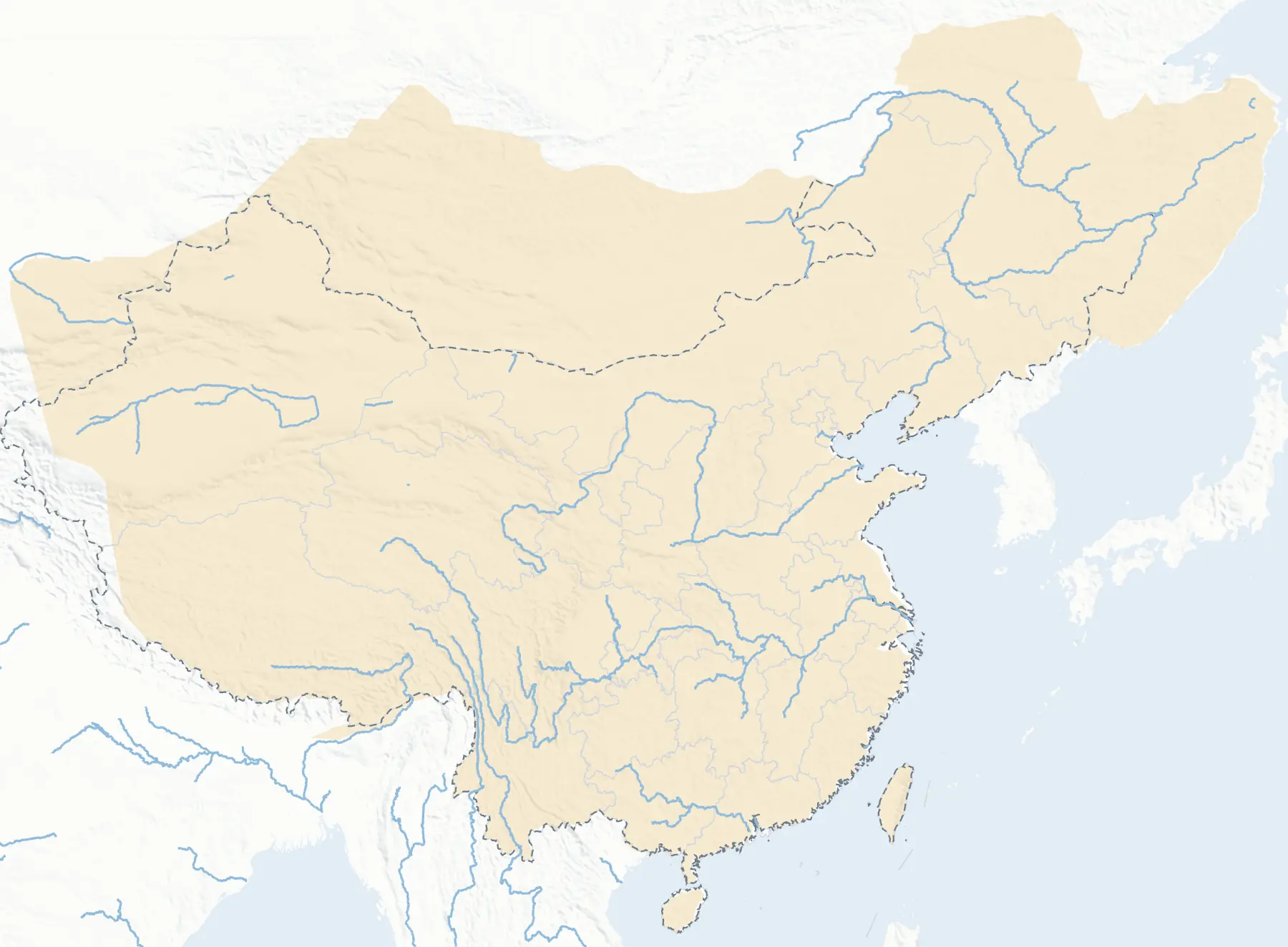
The Jurchen leader Nurhaci united the tribes and founded the Later Jin, routing the Ming army at the Battle of Sarhu in 1619; in 1636 Hong Taiji renamed the state Qing. In 1644 Wu Sangui brought the Qing army in, and it defeated Li Zicheng at the Battle of Shanhai Pass (at today’s Shanhaiguan); the Qing entered through the pass, made Beijing its capital and gradually unified the country. The Kangxi Emperor put down the Revolt of the Three Feudatories, unified Taiwan, drove back Tsarist Russia at the Siege of Albazin and signed the Treaty of Nerchinsk with Russia; under Qianlong the Dzungars were subdued, consolidating rule over Xinjiang and Tibet and laying the foundation of China’s present territory. The more than a century of the Kangxi, Yongzheng and Qianlong reigns is known as the “Kang–Qian Golden Age.”
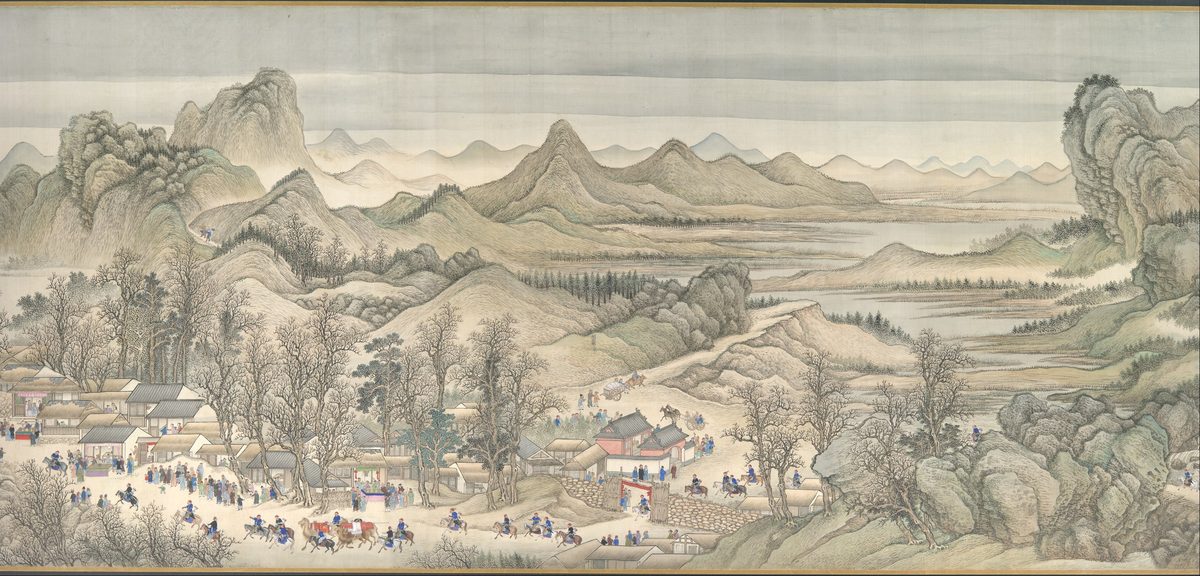
, CC0, Wikimedia Commons
The Qing built imperial gardens such as the Chengde Mountain Resort and the Summer Palace and compiled the Complete Library of the Four Treasuries (Siku Quanshu), and Cao Xueqin wrote Dream of the Red Chamber. But the Qing shut itself off from the world and knew little of the Industrial Revolution in the West.
In 1840 Britain launched the Opium War, and foreign powers invaded one after another. In the Sino-Japanese War of 1894 the Beiyang Fleet was defeated at the Battle of the Yalu River, and the war was lost the following year. China was forced to sign a series of unequal treaties, and the Old Summer Palace (Yuanmingyuan) in Beijing was destroyed by British and French forces. At home the Qing faced huge uprisings such as the Taiping Heavenly Kingdom, and the Self-Strengthening Movement, the Hundred Days’ Reform and the New Policies of the last Qing years all failed to reverse the decline.
After the Wuchang Uprising of 1911, province after province declared independence; in 1912 the Qing emperor abdicated and the Qing dynasty ended.