
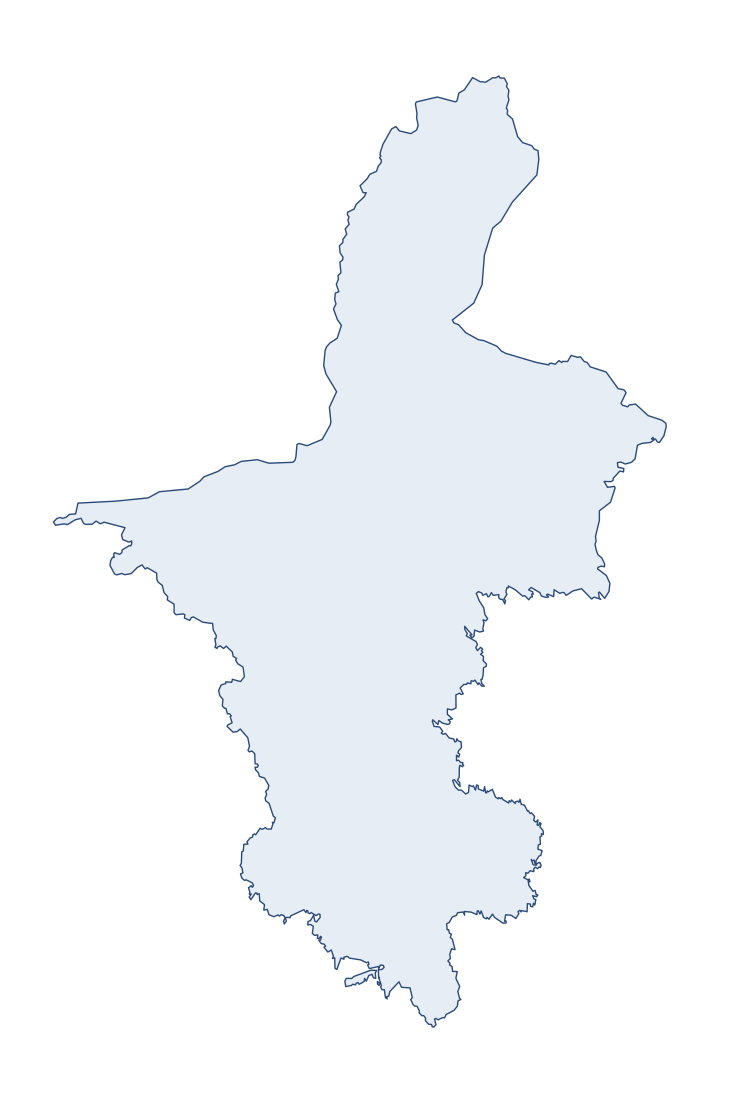
37 Major Historical and Cultural Sites Protected at the National Level in Ningxia (batches 1–8, named by the State Council 1961–2019; 1 of them cross provincial borders, such as the Great Wall and the Grand Canal). Dots are coloured by category. See also Ningxia and all provinces.
Série :


Yinchuan (10)
- Pagode Haibao 海宝塔Édifices anciens · 1re série (1961)Brick pagoda in the northern suburb of Yinchuan, commonly called the North Pagoda and paired with the Chengtian Temple Pagoda; the present pagoda keeps the Qing form, rebuilt after being destroyed by earthquakes several times.
- Pagodes jumelles à Baisikou 拜寺口双塔Édifices anciens · 3e série (1988)Two Western Xia brick pagodas on a terrace on the slope of the Helan Mountains, a hundred meters apart east to west, repeatedly repaired in the Yuan and Ming.
- Site de Shuidonggou 水洞沟遗址Sites anciens · 3e série (1988)Paleolithic site discovered in 1923, one of the earliest Paleolithic sites excavated in China, called the "cradle of prehistoric archaeology in the East."
- Tombes impériales des Xixia 西夏陵Tombes anciennes · 3e série (1988)Site of the Western Xia imperial cemeteries at the eastern foot of the Helan Mountains, covering about 50 square kilometers; one of the largest and best-preserved imperial cemeteries in China in terms of surface remains.
- Peintures rupestres du mont Helan 贺兰山岩画Temples rupestres et sculptures sur pierre · 4e série (1996)Group of rock paintings in the Helan Mountains, mainly depicting human faces and nomadic life, some accompanied by Tangut script.
- Site de fours de Lingwu 灵武窑址Sites anciens · 6e série (2006)The production site of Lingwu kiln Western Xia porcelain, first built in the Western Xia and the first Western Xia kiln site to be formally excavated in China.
- Pagode du temple Chengtian 承天寺塔Édifices anciens · 6e série (2006)Commonly called the West Pagoda, an 11-story brick pagoda begun in the Western Xia and rebuilt as before in the Jiaqing reign of the Qing, 64.5 meters high, the tallest surviving brick pagoda in Ningxia.
- Pagode Hongfo 宏佛塔Édifices anciens · 7e série (2013)Commonly called Wangcheng Pagoda; judging by its relics and bricks it was built in the late Western Xia, and it was extensively repaired in 1990-1992.
- Pavillon Yuhuang de Yinchuan 银川玉皇阁Édifices anciens · 7e série (2013)Formerly the Ming dynasty bell and drum tower, converted into Yuhuang Pavilion in the 3rd year of the Qianlong reign of the Qing (1738).
- Mosquée Najiahu 纳家户清真寺Édifices anciens · 7e série (2013)Built in the 3rd year of the Jiajing reign of the Ming (1524) by descendants of the Na clan of the Yuan official Sayyid Ajall Shams al-Din.
Guyuan (8)
- Grottes de Xumishan 须弥山石窟Temples rupestres et sculptures sur pierre · 2e série (1982)Cave complex cut from the Northern Dynasties to the Tang, with some caves cut in the Ming and Qing; later damaged by earthquakes and others, and heavily weathered.
- Site de Kaicheng 开城遗址Sites anciens · 5e série (2001)A group of architectural remains containing the Yuan dynasty palace of the Prince of Anxi, divided into six areas, which yielded many glazed tiles, striped bricks and other building components.
- Site révolutionnaire du fort de Jiangtai 将台堡革命旧址Sites historiques modernes · 6e série (2006)Where the Red First, Second and Fourth Front Armies met in October 1936, marking the successful end of the Long March; a memorial monument to the meeting now stands there.
- Site de Yehezi 页河子遗址Sites anciens · 7e série (2013)Prehistoric Neolithic site where remains of the Yangshao and Qijia cultures have been unearthed.
- Site de la ville ancienne de Guyuan 固原古城遗址Sites anciens · 7e série (2013)Ancient city site first built in the third year of the Yuanding reign of the Western Han (114 BC); an outer city was added in the Northern Zhou, and it was badly damaged in the 1920 Haiyuan earthquake.
- Site de la ville de Daying 大营城址Sites anciens · 7e série (2013)An ancient city site of the Song to Ming period, outside the western Great Wall of Guyuan, about 2 km west of the wall.
- Cimetières des Dynasties du Nord, des Sui et des Tang de Guyuan 固原北朝隋唐墓地Tombes anciennes · 7e série (2013)Tomb groups of the Northern Dynasties to Sui and Tang in the southwestern suburbs of Guyuan; the name collectively refers to a series of tombs excavated from the 1980s onward.
- Site de Yaoheyuan 姚河塬遗址Sites anciens · 8e série (2019)Site of a vassal state of the Shang and Zhou periods, discovered in 2017 and selected among that year's Top Ten New Archaeological Discoveries in China.
Wuzhong (8)
- Grande mosquée de Tongxin 同心清真大寺Édifices anciens · 3e série (1988)The oldest and largest mosque in the mountainous south of Ningxia, said to have been first built in the early Ming and rebuilt in the Ming and Qing, formerly a center of scriptural education and religious activity in the area.
- Cent huit pagodes 一百零八塔Édifices anciens · 3e série (1988)Group of 108 Lama brick pagodas on the bank of the Yellow River, the largest group of Lama pagodas in China, completed before the Ming.
- Site de Gezishan 鸽子山遗址Sites anciens · 6e série (2006)An ancient cultural site on a terrace on the eastern foot of the Helan Mountains, in the transition between the Paleolithic and the Neolithic, which yielded many stone artifacts and animal fossils.
- Site de la ville de Zhangjiachang 张家场城址Sites anciens · 6e série (2006)A rectangular ancient city site of the Qin to the early Eastern Han, with road and building remains inside the city.
- Résidence de Dong 董府Édifices anciens · 6e série (2006)The residence of Dong Fuxiang, a general of the Gansu Army in the late Qing, completed in 1905; the surviving part covers 11,025 square meters.
- Site de la ville de Xingwuying 兴武营城址Sites anciens · 7e série (2013)Ming-dynasty frontier garrison city at a junction of the Ming Great Wall; the surviving wall is roughly rectangular, and the gates have barbican enclosures.
- Tombes des Tang de Yinziliang 窨子梁唐墓Tombes anciennes · 7e série (2013)Tomb group of six Tang-dynasty flat-floored stone chamber tombs with passages; epitaphs show the occupants were Yuezhi people of the He family, one of the Nine Zhaowu Surnames.
- Pagode du temple Kangji 康济寺塔Édifices anciens · 7e série (2013)An octagonal thirteen-story dense-eaved brick pagoda, begun in the Western Xia at nine stories, raised to thirteen in the Ming and repaired in the Wanli reign.
Zhongwei (7)
- Site de Caiyuan 菜园遗址Sites anciens · 6e série (2006)A group of seven Neolithic sites called the Caiyuan culture, which yielded many stone and pottery artifacts.
- Site de la mine de cuivre de Zhaobishan 照壁山铜矿遗址Sites anciens · 6e série (2006)An ancient copper mine site in three parts, mine tunnels, smelting sites and residential sites, the oldest copper mine site found in northwest China.
- Site de la ville de Qiying Beizui 七营北嘴城址Sites anciens · 7e série (2013)Ancient city site first built in the Sui and Tang and abandoned in the Ming; inner and outer walls survive, and Tang and Song coins are often found inside.
- Site de Liuzhoucheng 柳州城址Sites anciens · 7e série (2013)Ancient city site first built in the Northern Song, later held by the Western Xia as a military stronghold and abandoned in the Qianlong reign of the Qing.
- Pagode Mingshazhou 鸣沙洲塔Édifices anciens · 7e série (2013)An eleven-story octagonal brick pagoda begun in the Western Xia and rebuilt in the Ming; its upper half was destroyed by an earthquake in the early Qing and it was rebuilt in 1985.
- Temple Gao de Zhongwei 中卫高庙Édifices anciens · 7e série (2013)A temple combining Confucianism, Buddhism and Daoism, expanded into its form in the Ming and rebuilt and enlarged several times in the Qing, facing south and repaired in 1979.
- Peintures rupestres de Damaidi 大麦地岩画Temples rupestres et sculptures sur pierre · 8e série (2019)Peintures rupestres du Néolithique aux Xia de l’Ouest.
Shizuishan (3)
- Site de Xingweicheng 省嵬城址Sites anciens · 7e série (2013)Site de ville ancienne des Song.
- Pagode Tianzhou 田州塔Édifices anciens · 7e série (2013)A seven-story hexagonal Buddhist pagoda that originally belonged to a temple; its founding date is unknown and the existing body was repaired in the Qing.
- Pavillon Yuhuang de Pingluo 平罗玉皇阁Édifices anciens · 7e série (2013)A Daoist temple begun in the Hongwu reign of the Ming, formally renamed Yuhuang Pavilion in the Guangxu reign of the Qing and expanded in 1939.
Sur plusieurs provinces (1)
- Grande Muraille 长城Édifices anciens · 5e série (2001)A combined listing of Great Wall sections from the Spring and Autumn period to the Ming dynasty, across Beijing, Hebei, Shanxi, Inner Mongolia, Shaanxi, Shandong, Ningxia, Liaoning and other provinces and regions; the Beijing section is mainly Ming Great Wall.