
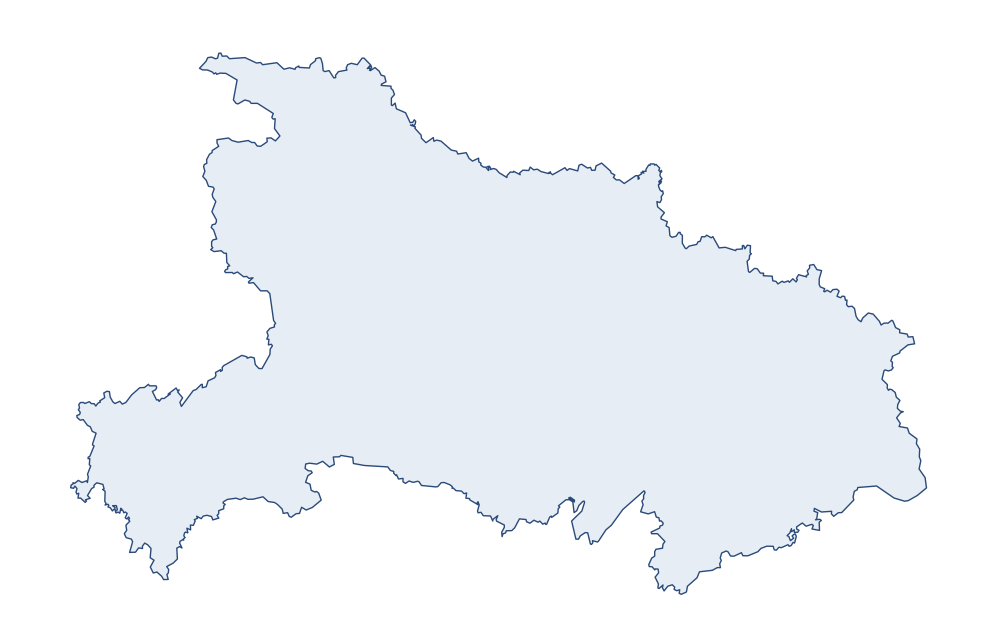
168 Major Historical and Cultural Sites Protected at the National Level in Hubei (batches 1–8, named by the State Council 1961–2019). Dots are coloured by category. See also Hubei and all provinces.
指定次:



武漢(33)
- 武昌起義軍政府旧跡 武昌起义军政府旧址近現代の史跡 · 第1次(1961)Seat of the Hubei Military Government of the Republic of China during the first uprising of the Revolution of 1911, at the southern foot of Snake Hill; now the Wuchang Uprising Memorial Museum of the Revolution of 1911.
- 八七会議会址 八七会议会址近現代の史跡 · 第2次(1982)Site of the secret August 7 Conference of 1927, originally part of the apartment building Yihe Xinfang, now a memorial hall.
- 盤龍城遺跡 盘龙城遗址古遺跡 · 第3次(1988)Shang-dynasty site by Panlong Lake, discovered in 1954, with a city, palace buildings, high-status tombs and a bronze foundry found, dating from about 1600 to 1300 BC.
- 武漢国民政府旧跡 武汉国民政府旧址近現代の史跡 · 第4次(1996)The Nanyang Building, completed in 1921, a five-story reinforced concrete frame building and seat of the Wuhan National Government in 1926 and 1927.
- 湖泗瓷窯跡群 湖泗瓷窑址群古遺跡 · 第5次(2001)A group of kiln sites around Liangzi Lake and Futou Lake that fired qingbai glazed porcelain, dating from the Five Dynasties to the Ming.
- 明楚王墓 明楚王墓古墓葬 · 第5次(2001)明代の楚王9人の陵墓。
- 武漢農民運動講習所旧跡 武汉农民运动讲习所旧址近現代の史跡 · 第5次(2001)The site of the Central Peasant Movement Institute, now a memorial hall.
- 大智門駅 大智门火车站近現代の史跡 · 第5次(2001)Once called Hankou Station or Beijing-Hankou Railway Station, put into use in 1902 and closed after the new Hankou Station opened in 1991.
- 江漢関大楼 江汉关大楼近現代の史跡 · 第5次(2001)One of the landmark buildings of Wuhan, completed in 1924, with its main gate facing east.
- 武漢大学早期建築 武汉大学早期建筑近現代の史跡 · 第5次(2001)Modern Chinese university buildings, listed in the first batch together with the early buildings of Tsinghua University and the Yanyuan buildings of Peking University as historic university campus groups.
- 詹天佑故居 詹天佑故居近現代の史跡 · 第5次(2001)The residence of the railway engineer Zhan Tianyou when he worked in Hankou, a two-story Western-style brick-and-concrete building completed in 1913.
- 漢口近代建築群 汉口近代建筑群近現代の史跡 · 第6次(2006)A group of modern buildings formed after Hankou was opened as a port in 1861, including Western or mixed Chinese-Western buildings such as the former German consulate and the HSBC building.
- Site of the All-China Federation of Trade Unions in Hankou 汉口中华全国总工会旧址近現代の史跡 · 第6次(2006)Two Western-style buildings, from 1926 the Wuhan office of the All-China Federation of Trade Unions, to which the federation moved from Guangzhou in 1927.
- 無影塔 无影塔古建築 · 第7次(2013)Also called the Pagoda of Xingfu Temple, built in 1270 (Southern Song Xianchun 6); a seven-story octagonal stone tower-style pagoda imitating timber construction, moved to its present site in 1963.
- 勝像宝塔 胜像宝塔古建築 · 第7次(2013)A stupa-style Buddhist pagoda, the only surviving stupa-style pagoda in Wuhan, begun in the 3rd year of the Zhizheng reign of the Yuan (1343) and moved to the summit of Snake Hill in 1955.
- 槐山磯駁岸 槐山矶驳岸古建築 · 第7次(2013)A stone river embankment begun in the Jiajing reign of the Ming, 247 meters long with three tiers of towpaths, the only surviving ancient shipping facility on the Yangtze.
- 禹稷行宮 禹稷行宫古建築 · 第7次(2013)清代の行宮建築。
- 古徳寺 古德寺近現代の史跡 · 第7次(2013)Also called Gude Chan Temple, one of the four great monasteries of Wuhan, which at its height covered over 30,000 square meters and now has only the Heavenly Kings Hall, Mahavira Hall and others.
- 起義門 起义门近現代の史跡 · 第7次(2013)Originally named Zhonghe Gate, at whose foot the first shot of the 1911 Wuchang Uprising was fired; it was repaired in 2011, with the Xinhai Revolution stele forest and other features added.
- 京漢鉄路総工会旧跡 京汉铁路总工会旧址近現代の史跡 · 第7次(2013)The seat of the General Union during the Beijing-Hankou Railway strike, begun in the late Qing and early Republic, now a memorial hall.
- Site of the CCP Central Propaganda Department in Hankou 汉口中共中央宣传部旧址近現代の史跡 · 第7次(2013)The seat of the CCP Central Propaganda Department from March to September 1927, restored after being confirmed in 2010 and converted into a memorial site.
- 中共中央領導人漢口住地旧跡 中共中央领导人汉口住地旧址近現代の史跡 · 第7次(2013)Originally the Delin Apartments, built in 1925, where some CCP Central leaders temporarily lived after the July 15 Incident.
- Site of the Fifth National Congress of the Communist Party of China 中国共产党第五次全国代表大会旧址近現代の史跡 · 第7次(2013)Originally a primary school, whose rain-or-shine playground hosted the opening of the CCP Fifth Congress in 1927; in 2007 it was restored to its 1927 layout.
- Site of the Wuhan Central Military and Political Academy 武汉中央军事政治学校旧址近現代の史跡 · 第7次(2013)Originally the site of the Liang Hu Academy founded by Zhang Zhidong, it was the Wuhan branch of the Central Military and Political Academy in 1926-1927; three single-story buildings survive.
- 武漢中共中央機関旧跡 武汉中共中央机关旧址近現代の史跡 · 第7次(2013)A three-story brick-and-wood building begun in the early 20th century and rented by the CCP Central Committee in 1927 for offices and residence.
- 湖北省立国書館旧跡 湖北省立国书馆旧址近現代の史跡 · 第7次(2013)1936年の湖北省立図書館旧跡。
- 漢口新四軍軍部旧跡 汉口新四军军部旧址近現代の史跡 · 第7次(2013)The seat of the first New Fourth Army headquarters; two houses on Shengli Street survive, along with training and reception sites.
- 八路軍武漢弁事処旧跡 八路军武汉办事处旧址近現代の史跡 · 第7次(2013)A four-story Japanese-style building, originally the Japanese Oishi Trading Company, handed over to the Eighth Route Army Wuhan Office in December 1937.
- 武漢長江大橋 武汉长江大桥近現代の史跡 · 第7次(2013)The first permanent bridge across the Yangtze, for both rail and road, spanning Tortoise Hill and Snake Hill and called the "First Bridge over the Yangtze".
- Heshengqiao Cemetery of Fallen Soldiers of the Northern Expedition 贺胜桥北伐阵亡将士陵园近現代の史跡 · 第8次(2019)A cemetery for soldiers who fell in the Northern Expedition, built in 1929.
- Former Hankou All-China Resistance Association of Writers and Artists 汉口中华全国文艺界抗敌协会旧址近現代の史跡 · 第8次(2019)Former site of the All-China Resistance Association of Writers and Artists of 1938.
- Former Surrender Hall of the Sixth War Zone of the National Government 国民政府第六战区受降堂旧址近現代の史跡 · 第8次(2019)Originally the "Zhang Gong Shrine," first built in 1942; on September 18, 1945 Sun Weiru held the Sixth War Zone surrender ceremony here.
- Tomb of the Martyrs of the Soviet Air Volunteer Group 苏联空军志愿队烈士墓近現代の史跡 · 第8次(2019)The burial place of the remains of 15 Soviet air volunteers who died in the War of Resistance against Japan.
宜昌(18)
- 玉泉寺と鉄塔 玉泉寺及铁塔古建築 · 第2次(1982)Buddhist temple first built in the second year of the Datong reign of the Southern Dynasties (528) on Yuquan Mountain, a nationally key temple of Buddhism in Han areas, with an iron pagoda inside.
- 関廟山遺跡 关庙山遗址古遺跡 · 第5次(2001)A Neolithic site of the Daxi culture, found in 1975 during water conservancy construction, which yielded nearly five thousand artifacts.
- 磨盤山遺跡 磨盘山遗址古遺跡 · 第5次(2001)東周時代の遺跡。
- 季家湖城跡 季家湖城址古遺跡 · 第5次(2001)東周時代の城跡。
- 青山墓群 青山墓群古墓葬 · 第6次(2006)A group of Zhou dynasty tombs in four parts, each centered on a large mound, with accompanying tombs arranged around it.
- 関陵 关陵古墓葬 · 第6次(2006)Also called the Dangyang Great King's Tomb, where Guan Yu's body is buried, first built in the late Eastern Han, one of the three great Guan temples at home and abroad.
- 黄陵廟 黄陵庙古建築 · 第6次(2006)Originally called the Huangniu Temple, on the south bank of the Yangtze downstream of the Three Gorges Dam, covering over 20,000 square meters, with a gate, opera tower, Yu the Great Hall and Marquis Wu Shrine.
- 鳳凰山古建築群 凤凰山古建筑群古建築 · 第6次(2006)Relocated from several ancient buildings in Zigui in the Three Gorges reservoir area, covering 378 mu and less than 2 km from the Three Gorges Dam.
- 三遊洞摩崖 三游洞摩崖石窟寺と石刻 · 第6次(2006)Cliff inscriptions on the rock face beside the Yangtze at the mouth of Xiling Gorge, dating from the Tang to the Republic.
- 楊守敬故居と墓 杨守敬故居和墓近現代の史跡 · 第6次(2006)The residence and tomb of Yang Shoujing, a scholar of the Qing to the Republic.
- 長陽人遺跡 长阳人遗址古遺跡 · 第7次(2013)旧石器時代の古人類遺跡。
- 南襄城遺跡 南襄城遗址古遺跡 · 第7次(2013)戦国~漢代の城跡。
- 李来亨抗清遺跡 李来亨抗清遗址古遺跡 · 第7次(2013)Remains left where Li Laiheng garrisoned troops and opened farmland to resist the Qing army in the late Ming and early Qing.
- 楊家湾老屋 杨家湾老屋古建築 · 第7次(2013)清代の民居。
- 百宝寨岩屋 百宝寨岩屋古建築 · 第7次(2013)清代の岩屋建築。
- 宜昌天然塔 宜昌天然塔古建築 · 第8次(2019)A brick pagoda built in the Qianlong era of the Qing, in Binjiang Park, next to the Yichang Yangtze River Bridge of the Yichang-Wanzhou Railway.
- 南辺民居 南边民居古建築 · 第8次(2019)Also called the Nanbian Ancient Dwellings, a group of Qing-dynasty ancient buildings.
- Site of the Third Front Aerospace Missile Base 066 三线航天066导弹基地旧址近現代の史跡 · 第8次(2019)The site of an aerospace missile base from the Third Front construction period.
襄陽(18)
- 広徳寺多宝塔 广德寺多宝塔古建築 · 第3次(1988)Duobao Pagoda in Guangde Temple, a public monastery of Hubei Buddhism, originally named Yunju Temple.
- 雕龍碑遺跡 雕龙碑遗址古遺跡 · 第4次(1996)Neolithic site of about 45,000 square meters in total, reflecting exchange and integration of northern and southern cultures; formally excavated from 1990 to 1992.
- 襄陽「古隆中」 襄阳“古隆中”古建築 · 第4次(1996)Place of Zhuge Liang's early seclusion in the Three Kingdoms period, with Ming and Qing ancient buildings; listed as a provincial cultural relics protection unit in 1956 as the "Former Residence of Zhuge Liang at Longzhong."
- 楚皇城城跡 楚皇城城址古遺跡 · 第5次(2001)A city site from the Eastern Zhou to the Qin and Han, rectangular in plan, with walls 24 to 30 m wide at the base and 2 to 4 m high; scholars hold various views on its identity.
- 襄陽城壁 襄阳城墙古建築 · 第5次(2001)Surrounded by water on three sides and backed by mountains on one, praised as "Xiangyang of iron" and "the first city of China".
- Green Screen Wall of the Prince of Xiangyang's Mansion 襄阳王府绿影壁古建築 · 第5次(2001)Built in the 10th year of Zhengtong of the Ming (1438); after the mansion was burned only this screen wall remains, inlaid with green vitriol so that it is dark green throughout, 25.12 m long.
- 鄧国跡 邓国故址古遺跡 · 第6次(2006)The ancient city site of the Deng state of the Zhou, said to be the battlefield where Guan Yu flooded the seven armies.
- 九連墩墓群 九连墩墓群古墓葬 · 第6次(2006)A Warring States tomb group with nine earthen mounds, commonly called "Jiuliandun", excavated in 2002 to 2003.
- 茨河承恩寺 茨河承恩寺古建築 · 第6次(2006)Founded in the Daye era of the Sui as Baoyan Chan Temple and enlarged in the 19th year of the Ming Yongle reign (1421).
- 米公祠 米公祠古建築 · 第6次(2006)A shrine commemorating the Northern Song calligrapher Mi Fu, originally called Mijia Convent and converted into a shrine in the Kangxi reign of the Qing, covering 16,000 square meters with four courtyards.
- 郭家崗遺跡 郭家岗遗址古遺跡 · 第7次(2013)東周時代の遺跡。
- 南漳山寨群 南漳山寨群古遺跡 · 第7次(2013)Defensive stone fortress-stockades built by local residents in the Ming and Qing dynasties, typified by six stockades including Wo'niu Mountain Stockade and Chunqiu Stockade.
- 安楽堰墓群 安乐堰墓群古墓葬 · 第7次(2013)東周時代の墓群。
- 霸王墳墓群 霸王坟墓群古墓葬 · 第7次(2013)戦国時代の墓群。
- 李曾伯紀功銘 李曾伯纪功铭石窟寺と石刻 · 第7次(2013)A Southern Song cliff inscription commemorating military achievements.
- 鳳凰咀遺跡 凤凰咀遗址古遺跡 · 第8次(2019)新石器時代の遺跡。
- 襄樊埠頭遺跡 襄樊码头遗址古遺跡 · 第8次(2019)清代の埠頭遺跡。
- 三線火箭炮総装工場旧跡 三线火箭炮总装厂旧址近現代の史跡 · 第8次(2019)Former rocket launcher assembly plant of the Third Front construction period.
十堰(17)
- 武当山金殿 武当山金殿古建築 · 第1次(1961)Gilded bronze hall on the summit of Tianzhu Peak of Wudang Mountain, rebuilt in the Yongle years of the Ming in place of an older Yuan hall; it has a double-eaved hip roof and enshrines the Zhenwu Emperor.
- 紫霄宮 紫霄宫古建築 · 第2次(1982)Located northeast of Tianzhu Peak, below the eastern slope of Zhanqi Peak, rebuilt in 1412 (Ming Yongle 10) and named Taixuan Zixiao Palace by imperial decree; its main hall enshrines the Zhenwu Emperor.
- 「治世玄岳」牌坊 “治世玄岳”牌坊古建築 · 第3次(1988)Commonly called Xuanyuemen, built in the 31st year of the Jiajing reign of the Ming (1552), a four-column, three-bay, five-roof timber-imitating stone archway, repaired in the 20th year of the Qianlong reign (1755).
- 南岩宮 南岩宫古建築 · 第4次(1996)First built in the Tang, destroyed in the Southern Song, rebuilt in the Yuan and greatly expanded in the 11th year of the Yongle reign of the Ming (1413); full name Dasheng Nanyan Palace.
- 学堂梁子遺跡 学堂梁子遗址古遺跡 · 第5次(2001)The site where skull fossils of "Yunxian Man" were found; three skulls have been unearthed, all in their original strata.
- 玉虚宮遺跡 玉虚宫遗址古遺跡 · 第5次(2001)Fully named Xuantian Yuxu Palace and commonly called Laoying Palace, first built in the 11th year of the Yongle reign of the Ming (1413) and enlarged in the Jiajing and Wanli reigns.
- 武当山建築群 武当山建筑群古建築 · 第6次(2006)A Daoist complex begun in the Tang and greatly expanded in the Yongle era of the Ming over 14 years, comprising 33 building groups including 9 palaces and 8 temples.
- Cixiao Gully "Cai Huangmu" Cliff Inscription 慈孝沟“采皇木”摩崖石窟寺と石刻 · 第6次(2006)In the Jiajing reign of the Ming, giant nanmu timber was taken here for building the imperial palace in Beijing and the gully was named Cixiao Gully; the cliff inscription was carved in the 37th year of Jiajing (1558).
- 梅鋪猿人遺跡 梅铺猿人遗址古遺跡 · 第7次(2013)旧石器時代の猿人遺跡。
- 黄龍洞遺跡 黄龙洞遗址古遺跡 · 第7次(2013)旧石器時代の遺跡。
- 七里河遺跡 七里河遗址古遺跡 · 第7次(2013)新石器時代・周・漢時代の遺跡。
- 甘氏宗祠 甘氏宗祠古建築 · 第7次(2013)清代の祠堂。
- 大豊倉 大丰仓古建築 · 第7次(2013)清代の糧倉。
- 上津古城 上津古城古建築 · 第7次(2013)清代の古城。
- 白龍洞遺跡 白龙洞遗址古遺跡 · 第8次(2019)旧石器時代の遺跡。
- 高家花屋 高家花屋古建築 · 第8次(2019)清代の民居建築。
- 丹江口饒氏荘園 丹江口饶氏庄园古建築 · 第8次(2019)A manor building of the Qing to the Republic of China period.
黄岡(16)
- 李時珍墓 李时珍墓古墓葬 · 第2次(1982)Tomb of the Ming physician and pharmacologist Li Shizhen, east of his parents' joint tomb, now made a cemetery park with a stone archway, statue and memorial hall.
- 紅安七里坪革命旧跡 红安七里坪革命旧址近現代の史跡 · 第3次(1988)Sites of a revolutionary base of the Communist Party of China during the revolutionary war period.
- 四祖寺塔 四祖寺塔古建築 · 第5次(2001)The seat of Daoxin, the fourth patriarch of Chan Buddhism, in the early Tang, first built in the 7th year of Wude (624); the Piluta, Zhongsheng Pagoda and Yibo Pagoda survive.
- 柏子塔 柏子塔古建築 · 第6次(2006)A hexagonal pavilion-style brick pagoda built in the 4th year of Jianzhong of the Tang (783), the oldest surviving pavilion-style brick pagoda in Hubei, now of seven stories.
- 五祖寺 五祖寺古建築 · 第6次(2006)Also called Dongshan Temple, the teaching site of Hongren, the Fifth Patriarch of Chan Buddhism, and one of the national key Buddhist temples in Han areas.
- 陡山呉氏祠 陡山吴氏祠古建築 · 第6次(2006)An ancestral hall begun in the 28th year of the Qing Qianlong reign (1763), jointly built by the Wu clan, laid out as a three-courtyard compound.
- 東坡赤壁 东坡赤壁石窟寺と石刻 · 第6次(2006)Anciently called Chibiji, where Su Shi wrote the "Chibi Fu" while exiled in Huangzhou in the Northern Song; renamed "Dongpo Chibi" in the late Kangxi reign of the Qing.
- 李先念故居 李先念故居近現代の史跡 · 第6次(2006)A Qing-dynasty dwelling, the former residence of Li Xiannian.
- 董必武故居 董必武故居近現代の史跡 · 第6次(2006)清代の民居で、董必武の故居。
- 毛家咀遺跡 毛家咀遗址古遺跡 · 第7次(2013)西周時代の遺跡。
- 双城塔 双城塔古建築 · 第7次(2013)宋代の塔。
- 鄭公塔 郑公塔古建築 · 第7次(2013)元~明時代の塔。
- 万年台戯台 万年台戏台古建築 · 第7次(2013)清代の戯台。
- 畢昇墓 毕昇墓古墓葬 · 第8次(2019)Tomb of Bi Sheng, inventor of movable-type printing in the Northern Song.
- 黄梅高塔寺塔 黄梅高塔寺塔古建築 · 第8次(2019)北宋時代の仏塔。
- 麻城雷氏祠 麻城雷氏祠古建築 · 第8次(2019)An ancestral hall of the Qing to the Republic of China period.
荊州(14)
- 楚紀南故城 楚纪南故城古遺跡 · 第1次(1961)One of the sites of Ying, the capital of the Chu state in the Warring States period; the city is an irregular square in plan, about 4.5 kilometers from east to west, and was excavated on a large scale in 1975.
- 湘鄂西革命根拠地旧跡 湘鄂西革命根据地旧址近現代の史跡 · 第3次(1988)Sites of the Hunan-Hubei-West revolutionary base of 1930 to 1932.
- 八嶺山古墓群 八岭山古墓群古墓葬 · 第3次(1988)Tomb group from the Eastern Zhou to the Ming with 498 large and medium earth-mound tombs, burying Chu kings, rulers of Jingnan and Ming-dynasty princes.
- 鶏公山遺跡 鸡公山遗址古遺跡 · 第4次(1996)Paleolithic site discovered in 1984 and excavated in 1992, yielding many chipped stone tools.
- 荊州城壁 荆州城墙古建築 · 第4次(1996)Ancient city wall of Jingzhou, one of the four best-preserved ancient city walls in China, forming with the Chu Jinan ancient city and the Baling Mountain tombs the three main components of ancient Jingzhou.
- 走馬嶺遺跡 走马岭遗址古遺跡 · 第5次(2001)新石器時代の遺跡。
- 陰湘城遺跡 阴湘城遗址古遺跡 · 第5次(2001)新石器時代の遺跡。
- 鶏鳴城遺跡 鸡鸣城遗址古遺跡 · 第6次(2006)A Neolithic city site, surveyed and trial-excavated by the Jingzhou Museum in 2014.
- 荊州三観 荆州三观古建築 · 第6次(2006)Includes the three Daoist temples Taihui, Xuanmiao and Kaiyuan; Taihui Temple was rebuilt in the 26th year of the Ming Hongwu reign (1393) by Zhu Bai, Prince of Xiang.
- 荊州万寿宝塔 荆州万寿宝塔古建築 · 第6次(2006)A Ming-dynasty pavilion-style brick pagoda at Guanyinji on the Jingjiang embankment, built in the 27th year of the Jiajing reign (1548) by the Prince of Liao to pray for the emperor's longevity, taking four years to complete.
- 荊江分洪閘 荆江分洪闸近現代の史跡 · 第6次(2006)The sluice gates of the Jingjiang flood diversion project, completed in 1953.
- 桂花樹遺跡 桂花树遗址古遺跡 · 第7次(2013)Neolithic site discovered in 1974 and excavated on a small scale between 1974 and 1975.
- 馬山墓群 马山墓群古墓葬 · 第7次(2013)東周時代の墓群。
- 青山遺跡 青山遗址古遺跡 · 第8次(2019)東周時代の遺跡。
荊門(9)
- 屈家嶺遺跡 屈家岭遗址古遺跡 · 第3次(1988)新石器時代の遺跡。
- 顕陵 显陵古墓葬 · 第3次(1988)Joint tomb of Zhu Youyuan, Emperor Ruizong Xian, father of the Jiajing Emperor, and his wife Lady Jiang; the largest single tomb among Ming imperial tombs, with a "one mausoleum, two mounds" structure.
- 紀山楚墓群 纪山楚墓群古墓葬 · 第4次(1996)Public cemetery of the Eastern Zhou Chu state covering over 12 square kilometers, with 22 large tombs and 227 small and medium tombs, unexcavated.
- 馬家垸遺跡 马家垸遗址古遺跡 · 第6次(2006)新石器時代の遺跡。
- 鐘祥文風塔 钟祥文风塔古建築 · 第6次(2006)A solid brick-and-concrete pagoda in overturned-bowl style, begun in the Tang and rebuilt in the Ming, over 20 meters high, with 21 rings on its finial.
- 城河遺跡 城河遗址古遺跡 · 第7次(2013)新石器時代の遺跡。
- 龍王山遺跡 龙王山遗址古遺跡 · 第7次(2013)新石器時代の遺跡。
- 蘇家壟墓群 苏家垄墓群古墓葬 · 第7次(2013)東周時代の墓群。
- Site of the CCP Henan-Hubei Border Region Committee 中共豫鄂边区委员会旧址近現代の史跡 · 第7次(2013)The site of the CCP Henan-Hubei Border Region Committee from 1940 to 1942.
恩施トゥチャ族ミャオ族自治州(9)
- 大水井古建築群 大水井古建筑群古建築 · 第5次(2001)Originally the residence of the Huang family chieftains, first built in the Ming and completed in the Republic.
- 建始直立人遺跡 建始直立人遗址古遺跡 · 第6次(2006)旧石器時代の直立人遺跡。
- 施州城跡 施州城址古遺跡 · 第6次(2006)宋代の城跡。
- 唐崖土司城跡 唐崖土司城址古遺跡 · 第6次(2006)The seat of the Tangya chieftain, inscribed on the World Heritage List in 2015 as one of the "Tusi Sites".
- 容美土司遺跡 容美土司遗址古遺跡 · 第6次(2006)The seat of the Tian family chieftains of Rongmei, who held office from the Yuan, with 23 chieftains over 15 generations, until the replacement of hereditary chieftains with appointed officials in the 13th year of Yongzheng of the Qing (1735).
- 魚木寨 鱼木寨古建築 · 第6次(2006)A Tujia ancient fort begun in the Hongwu era of the Ming, on a hilltop ringed by cliffs with four gates; the best-preserved Tujia fort.
- 仙仏寺石窟 仙佛寺石窟石窟寺と石刻 · 第6次(2006)Cliff statues carved from the early to high Tang, the only Tang cliff statues in the middle Yangtze region, on the west bank of the You River.
- 五里坪革命旧跡 五里坪革命旧址近現代の史跡 · 第6次(2006)A frontier trade town of western Hunan and Hubei since the Ming and Qing, where He Long led the Red Fourth Army and Second Army Corps to open the Hunan-Hubei border Soviet area.
- 彭家寨古建築群 彭家寨古建筑群古建築 · 第7次(2013)A Tujia village built against a mountain beside water, with a historic building area of about 8,000 square meters, 22 stilted houses and one wind-and-rain bridge.
黄石(8)
- 銅緑山古銅鉱遺跡 铜绿山古铜矿遗址古遺跡 · 第2次(1982)Ancient copper mine site of the Zhou to Han periods, named one of the 100 great archaeological discoveries of 20th-century China in 2001.
- 鄂王城城跡 鄂王城城址古遺跡 · 第5次(2001)東周時代の城跡。
- 龍港革命旧跡 龙港革命旧址近現代の史跡 · 第5次(2001)1927~1930年の革命旧跡。
- 漢冶萍煤鉄廠鉱旧跡 汉冶萍煤铁厂矿旧址近現代の史跡 · 第6次(2006)An early Chinese industrial site, with a surviving blast furnace trestle, smelting furnace, lookout tower and ore unloader, plus four residences, descended from the Hanyang Iron Works founded by Zhang Zhidong.
- 大冶兵暴旧跡 大冶兵暴旧址近現代の史跡 · 第6次(2006)The site of the Daye mutiny launched by Cheng Zihua and others on December 14, 1929, in the courtyard of Daye Foreign Language School.
- 紅三軍団革命旧跡 红三军团革命旧址近現代の史跡 · 第6次(2006)Where the Red Fifth and Eighth Armies held an enlarged Military Commission meeting at Liurenba Village in 1930, now the Red Third Army Corps Founding Memorial Hall.
- 大路鋪遺跡 大路铺遗址古遺跡 · 第7次(2013)新石器時代・商・周時代の遺跡。
- 華新セメント工場旧跡 华新水泥厂旧址近現代の史跡 · 第7次(2013)Construction began in September 1946; it once won the honor of "first in the Far East" and is Huangshi's cement industry heritage site.
咸寧(8)
- 北伐汀泗橋戦役遺跡 北伐汀泗桥战役遗址近現代の史跡 · 第3次(1988)Site of the Battle of Dingsiqiao in the Northern Expedition of the National Revolutionary Army, with a memorial hall built on it.
- 李自成墓 李自成墓古墓葬 · 第3次(1988)Also called the Chuang King's Tomb, on Niuji Ridge on Jiugong Mountain; since 1956 it has been regarded as the tomb of Li Zicheng.
- 孫郭胡城跡 孙郭胡城址古遺跡 · 第7次(2013)戦国時代の城跡。
- 新店土城遺跡 新店土城遗址古遺跡 · 第7次(2013)Earthen city site of the Warring States and Western Han periods.
- 沈鴻賓故居 沈鸿宾故居古建築 · 第7次(2013)A Qing dynasty dwelling, the former residence of Shen Hongbin.
- 王明璠府第 王明璠府第古建築 · 第7次(2013)清代の邸宅。
- 赤壁摩崖石刻 赤壁摩崖石刻石窟寺と石刻 · 第7次(2013)宋・明・清時代の摩崖石刻。
- 向陽湖文化名人旧跡 向阳湖文化名人旧址近現代の史跡 · 第7次(2013)In 1969 the Ministry of Culture set up a May Seventh Cadre School here, with five brigades including Ministry of Culture organs and the Federation of Literary and Art Circles and Writers' Association, including the May Seventh area and the kiln area.
孝感(6)
- Site of the New Fourth Army Fifth Division Headquarters 新四军五师司令部旧址近現代の史跡 · 第4次(1996)Site of the headquarters of the New Fourth Army's Fifth Division from 1942 to 1945.
- 門板湾遺跡 门板湾遗址古遺跡 · 第5次(2001)新石器時代の遺跡。
- 陶家湖遺跡 陶家湖遗址古遺跡 · 第6次(2006)新石器時代の遺跡。
- 中原軍区旧跡 中原军区旧址近現代の史跡 · 第6次(2006)Includes the headquarters of the Central Plains Military Region, the site of Zhou Enlai's negotiations with American and Nationalist representatives, the assembly hall and the leaders' residences.
- 葉家廟遺跡 叶家庙遗址古遺跡 · 第7次(2013)新石器時代の遺跡。
- 草店坊城遺跡 草店坊城遗址古遺跡 · 第7次(2013)周・漢時代の古城遺跡。
随州(5)
- 擂鼓墩古墓群 擂鼓墩古墓群古墓葬 · 第3次(1988)Cemetery group of the Zeng state of the Warring States period in eight burial areas, spread over about 115.8 hectares.
- 安居遺跡 安居遗址古遺跡 · 第7次(2013)周・漢時代の遺跡。
- 廟台子遺跡 庙台子遗址古遺跡 · 第8次(2019)周代の遺跡。
- 義地崗墓群 义地岗墓群古墓葬 · 第8次(2019)東周時代の墓群。
- Former Headquarters of the New Fourth Army 5th Division 新四军第五师司令部旧址近現代の史跡 · 第8次(2019)Former headquarters of the New Fourth Army 5th Division, 1939-1945.
鄂州(4)
- 怡亭銘摩崖石刻 怡亭铭摩崖石刻石窟寺と石刻 · 第3次(1988)唐代の摩崖石刻。
- 鄂州観音閣 鄂州观音阁古建築 · 第6次(2006)Also called Longpanji Temple, built on Longpanji on the Yangtze as a Buddhist and Daoist temple, begun in the Yuan, with a main hall, Chunyang Tower and Guanlan Pavilion.
- 郢城遺跡 郢城遗址古遺跡 · 第7次(2013)秦・漢時代の城跡。
- 呉王城遺跡 吴王城遗址古遺跡 · 第7次(2013)三国時代の城跡。
天門(2)
- 石家河遺跡 石家河遗址古遺跡 · 第4次(1996)The largest and best-preserved prehistoric settlement site in the middle Yangtze, covering 8 square kilometers with more than 40 site locations.
- 白龍寺 白龙寺古建築 · 第7次(2013)明代の寺院。