 Park of China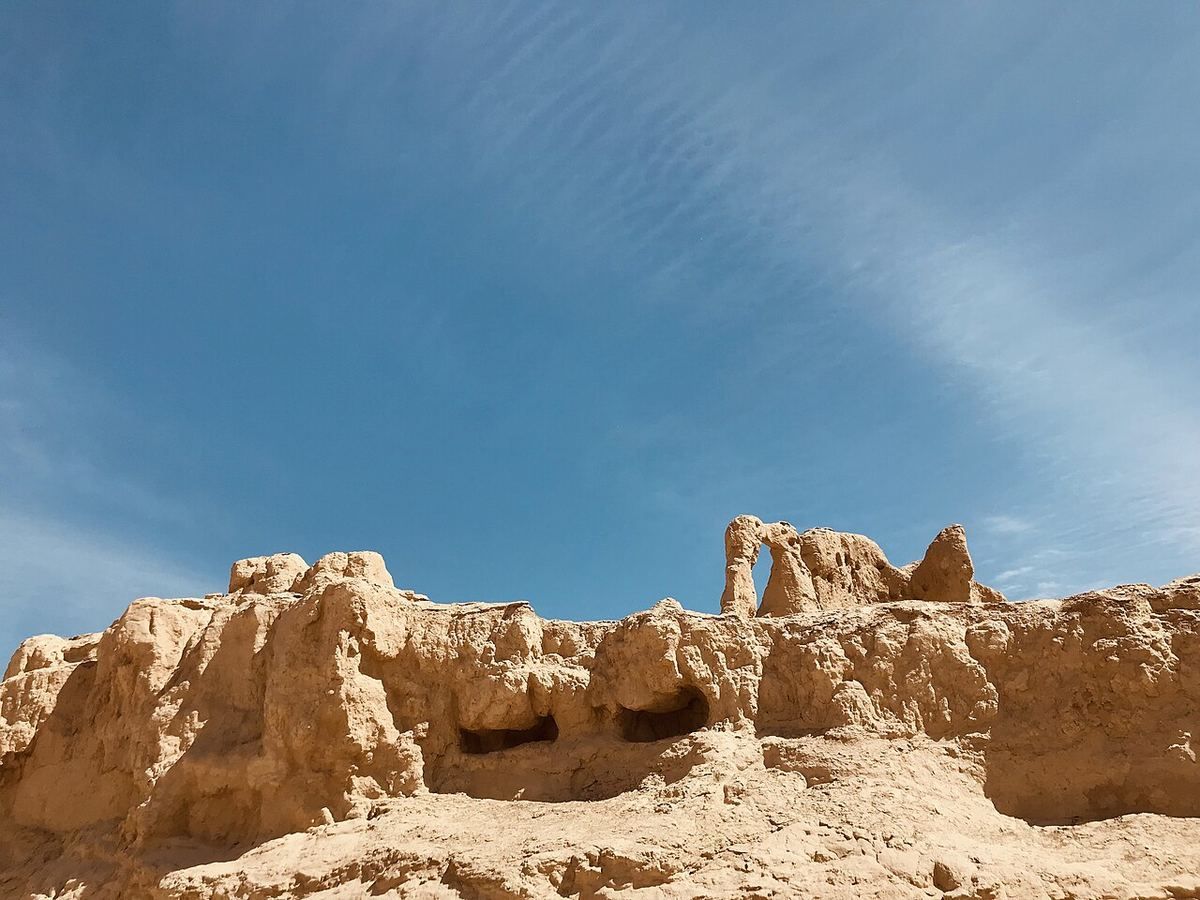
Overview
| Designation | UNESCO World Heritage (cultural, 2014) |
| Name | 丝绸之路:长安—天山廊道的路网 |
| Country | China, Kazakhstan, Kyrgyzstan |
| Nearby cities | Xi’an |
| Nearby sites | Mount Guangwu 78km, Nuoshui River 87km, Mount Taibai 101km, Maijishan Grottoes 184km, Jianmen Pass and the Shu Road 188km Search nearby |
| Latitude, longitude | 33.16, 107.29 Google Maps |
| Themes | Culture, Grotto, Ancient Building, City Wall, Archaeological sites |

- Xi’an
- Luoyang
- Maijishan Grottoes
- The Old City of Luoyang in Han and Wei Dynasties
- Site of Qocho City
- Xingjiao Temple Pagoda
- Shihao Section of Xiaohan Ancient Route
- Tomb of Zhang Qian
- Bingling Temple
- Suoyang City
- Site of Bashbaliq City
- Yarkhoto
- Subashi Temple
- Dafosi Grottoes
- Xuanquanzhi
- Hangu Pass
- Giant Wild Goose Pagoda
- Kizil Caves
- Yumen Pass
- Kizilgaha Beacon Tower
- Suyab
- Navekat
- Balasagun
- Akyrtas
- Kulan
- Kayalyk
- Site of Ornek
- The Ancient Settlement Talhiz (Talgar)
- Kostobe
- Karamergen
- Aktobe (Stepninskoe)
About
Silk Roads: the Routes Network of Chang'an-Tianshan Corridor (丝绸之路:长安—天山廊道的路网) was inscribed on the UNESCO World Heritage List in 2014 as a cultural site.
Why it was inscribed
A witness to exchange between cultures; a unique testimony to a cultural tradition or civilisation; an example of traditional settlement and land use; linked to major events, beliefs or works of art and literature.
This 5,000 km section of the Silk Roads runs from the Han and Tang capitals of Chang’an and Luoyang to the Zhetysu (Seven Rivers) region of Central Asia, nominated jointly by China, Kazakhstan and Kyrgyzstan. The route network took shape between the 2nd century BC and the 1st century AD and was used until the 16th century, carrying goods, religions, science and art between East and West. Its 33 sites include capitals and palaces, trading towns, Buddhist cave temples, roads, post stations, passes, beacon towers, sections of the Great Wall, forts and tombs.
Travel tips
Scope: the property is spread across Shaanxi, Henan, Gansu and Xinjiang in China, plus Kazakhstan and Kyrgyzstan. Of the 33 components, 22 are in China (Shaanxi 7, Henan 4, Gansu 5, Xinjiang 6), and no single route covers them; visits are normally planned city by city.
Xi'an: the main components here include the Weiyang Palace site of Han Chang'an, the Daming Palace site of Tang Chang'an, Xingjiao Temple Pagoda, and the Big and Small Wild Goose Pagodas; the Dafosi Grottoes are at Binzhou near Xianyang and the tomb of Zhang Qian at Chenggu, Hanzhong. Xi'an Xianyang airport and Xi'an North station are the main gateways, and the city has a metro.
Luoyang: the Han-Wei city site and the Dingding Gate of the Sui-Tang city lie around the urban area; the Han Hangu Pass site is in Xin'an county, and the Shihao section of the Xiaohan ancient road is at Shanzhou, Sanmenxia. Luoyang Longmen station has high-speed trains, about one and a half to two hours from Xi'an.
Gansu: the cave temples of Maijishan (Tianshui), Bingling (Yongjing) and the Dafosi Grottoes (Binzhou, Shaanxi) are cave-temple components. Tianshui is about two hours from Xi'an by high-speed train; Bingling is reached by boat on the Liujiaxia reservoir, normally via Lanzhou.
Hexi Corridor: the Yumenguan Pass and Xuanquanzhi post station are near Dunhuang and the Suoyang city site is at Guazhou. They can be combined with a visit to the Mogao Caves.
Xinjiang: Gaochang and Jiaohe ancient cities are at Turpan, Kizil Grottoes at Baicheng in Aksu prefecture, the Kizilgaha beacon tower and Subashi Buddhist site around Kuqa, and Beiting ancient city at Jimsar. Distances are long, so a hired car or self-drive and several days are needed.
Time: Xi'an and Luoyang sites alone take three to five days; linking them with Gansu and Xinjiang takes at least two weeks.
Season: spring and autumn are mild across the northwest; Turpan is very hot in summer, while the Hexi Corridor and northern Xinjiang are cold in winter.
Photo credits: Jiaohe ruins, Turpan, Silk Roads: Hiroooooo (CC BY-SA 3.0, Wikimedia Commons)