
← Chapter 9: Sui and TangA Brief History of ChinaChapter 11: Liao, Western Xia, Jin and Yuan →
Chapter 10: Five Dynasties and Song
907–1279
Five Dynasties and Ten Kingdoms (907–979) After the Tang fell, the Central Plains passed through five short-lived dynasties, Later Liang, Later Tang, Later Jin, Later Han and Later Zhou, while the south and Shanxi were divided among ten other regimes; together they are called the “Five Dynasties and Ten Kingdoms.”
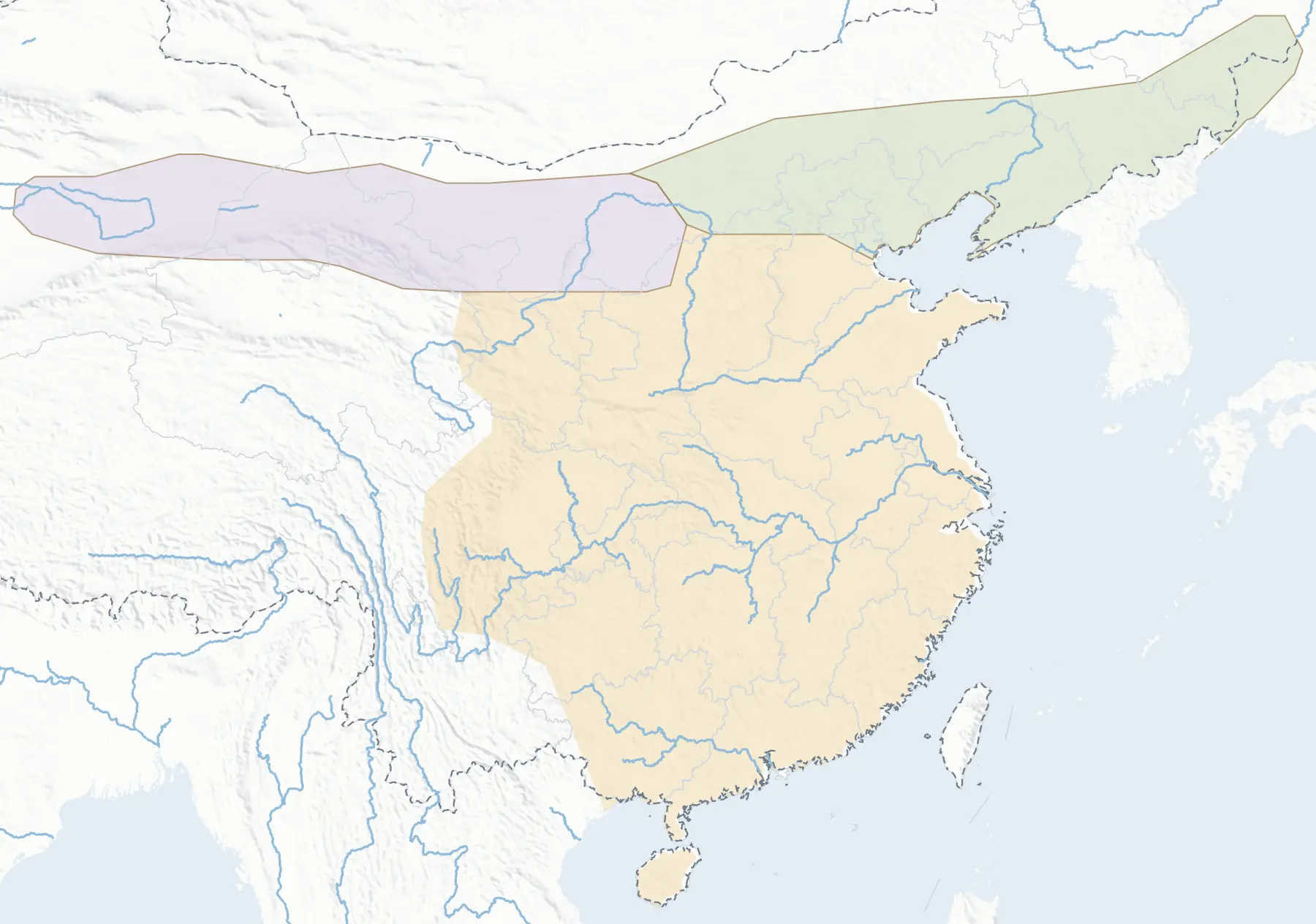
Northern Song (960–1127) Zhao Kuangyin, a general of the Later Zhou, staged the Chenqiao Mutiny and founded the Song dynasty in 960 with its capital at Kaifeng, known as the Northern Song.
Learning from the warlordism of the late Tang, the Song favored civil over military affairs, expanded the examinations and governed through civil officials. The economy and cities flourished as never before; Kaifeng and Hangzhou each had more than a million people, and jiaozi, the world’s earliest paper money, appeared. Movable type printing, the compass and gunpowder came into wide use in the Song. Neo-Confucianism (lixue) arose, and Song ci poetry and Song painting both reached their height.
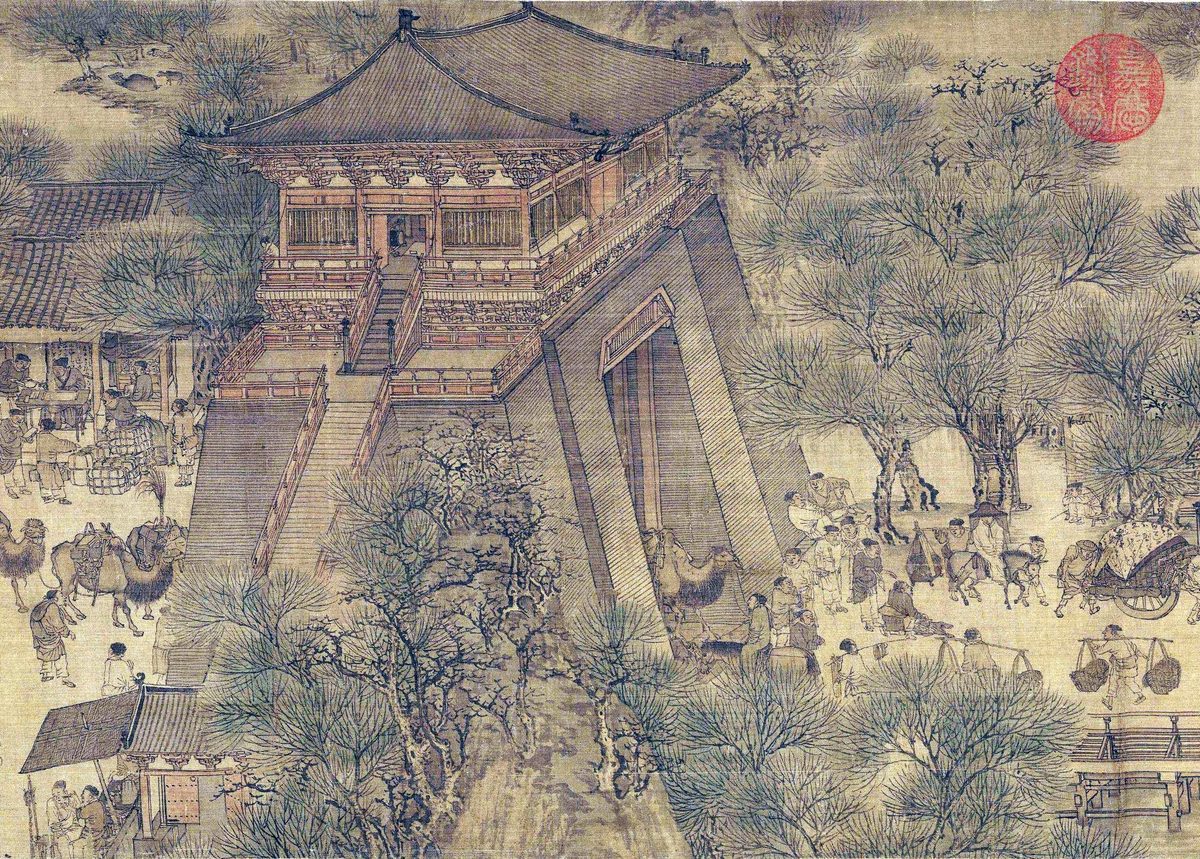
Militarily weak, the Song faced the Liao and the Western Xia in the north. In 1004 the Liao army marched south and Emperor Zhenzong led his troops in person (the Battle of Chanyuan); in 1005 he concluded the “Treaty of Chanyuan” with the Liao, sending silver and silk every year in exchange for peace. In the mid-Northern Song, Wang Anshi carried out reforms to enrich the state and strengthen the army, provoking bitter factional strife. In 1127 troops of the Jin (the Jurchen state) took Kaifeng and carried off the emperors Huizong and Qinzong, the “Jingkang Incident,” and the Northern Song fell.
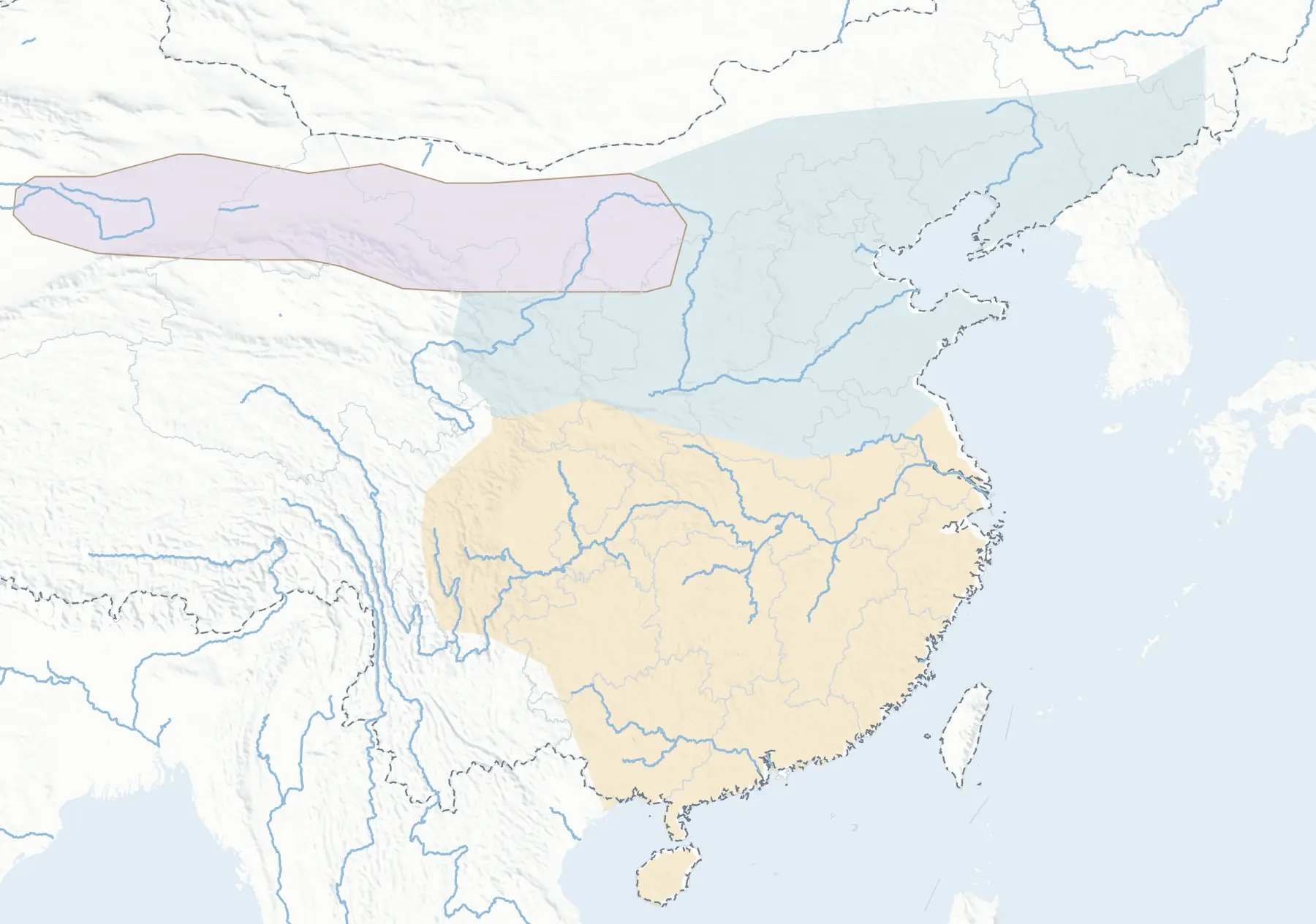
Southern Song (1127–1279) In 1127 Emperor Gaozong, Zhao Gou, took the throne at Yingtianfu, the Southern Capital (today’s Shangqiu, Henan), and later made Lin’an (today’s Hangzhou) his capital, known as the Southern Song. The famous general Yue Fei marched north against the Jin and defeated them repeatedly, but was put to death by Qin Hui and others on a charge of “perhaps” (moxuyou), that is, without any grounds. The Southern Song and the Jin faced each other across the Huai River for more than a century, while the economy of the south and overseas trade continued to flourish. The Mongols rose in the 13th century; in 1276 Yuan troops took Lin’an, and in 1279, after defeat at the Battle of Yamen (the battlefield is at Yamen in Xinhui, in today’s Guangdong), the Southern Song fell.
← Chapter 9: Sui and TangContentsChapter 11: Liao, Western Xia, Jin and Yuan →