 Park of China

Overview
| Name | Zhengding 正定 |
| Web address | https://parkofchina.com/en/zhengding.html |
| Designation | National Famous Historical and Cultural City (third batch, 1994); ten Major Historical and Cultural Sites Protected at the National Level in the old town, Longxing Temple and the Flower Pagoda among the first batch |
| Province | Hebei |
| Location | Zhengding County, Shijiazhuang, Hebei; north bank of the Hutuo River |
| Latitude, longitude | 38.14, 114.57 Google Maps |
| Highlights | Song-dynasty Buddhist temple, Tang and Song pagodas, Confucian temple hall of the Five Dynasties, Ming town wall |
| Top sights | Longxing Temple, Lingxiao Pagoda, Flower Pagoda, Xumi Pagoda, Chengling Pagoda, Kaiyuan Temple bell tower, Confucian Temple hall, town wall |
| Nearby cities | Shijiazhuang |
| Nearby sites | Mount Cangyan, Xibaipo–Mount Tiangui Scenic Area, Zhangshiyan, Mount Wutai, Mount Heng (Northern Sacred Mountain) |
| Themes | Ancient City, Ancient Building, Temple, Buddha, Tower, City Wall, Confucian academies & temples, Inscription, Statue |
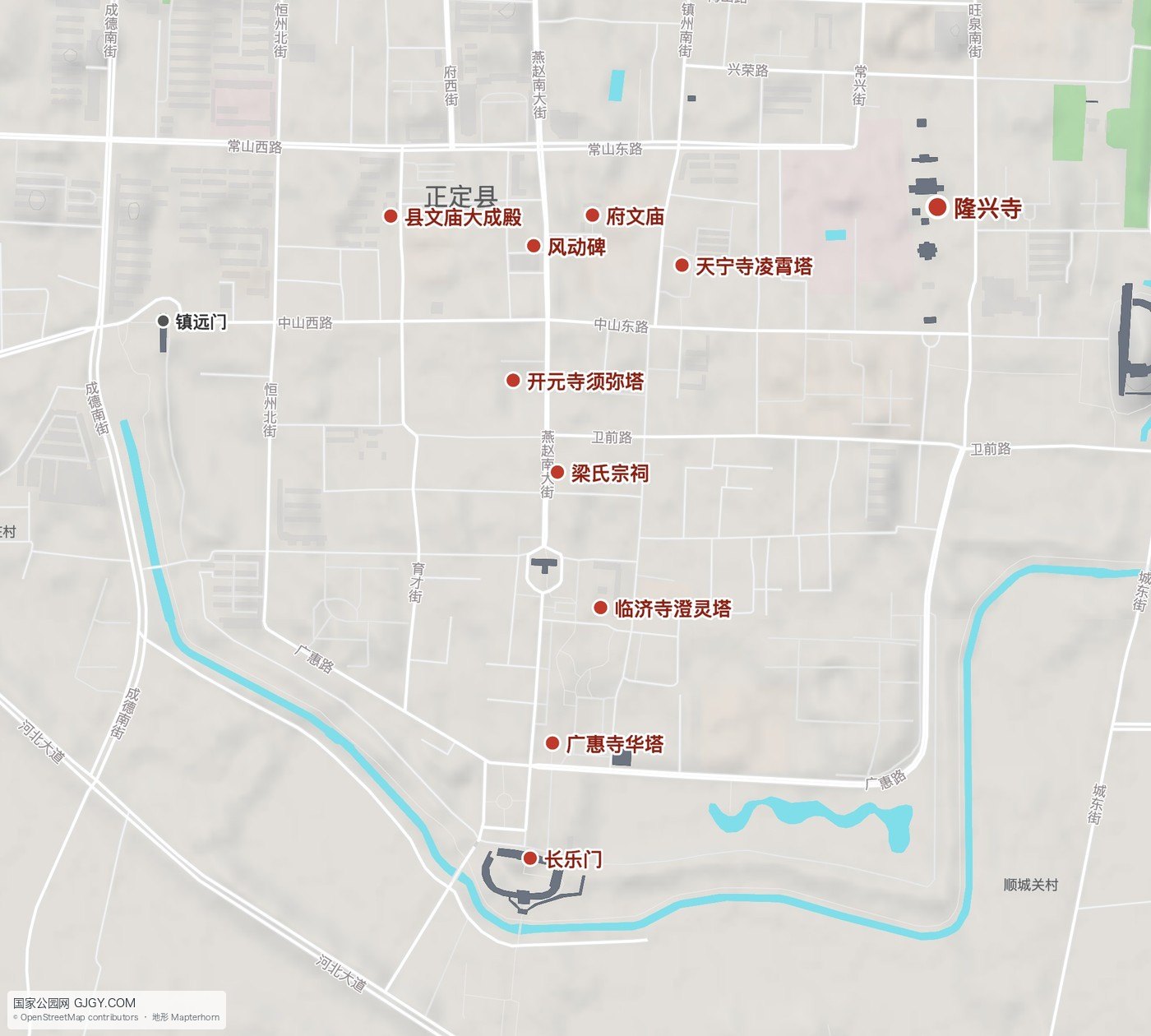
Map
About
Zhengding, on the northern edge of Shijiazhuang, Hebei, on the north bank of the Hutuo River, was known in the past as Changshan and Zhending. From the Northern Dynasties to the Qing it was long the seat of a commandery or prefecture, and it is a National Famous Historical and Cultural City. Zhao Yun, the famous general of the Three Kingdoms, came from Zhending in Changshan. The old town is dense with monuments, including ten Major Historical and Cultural Sites Protected at the National Level.
Longxing Temple
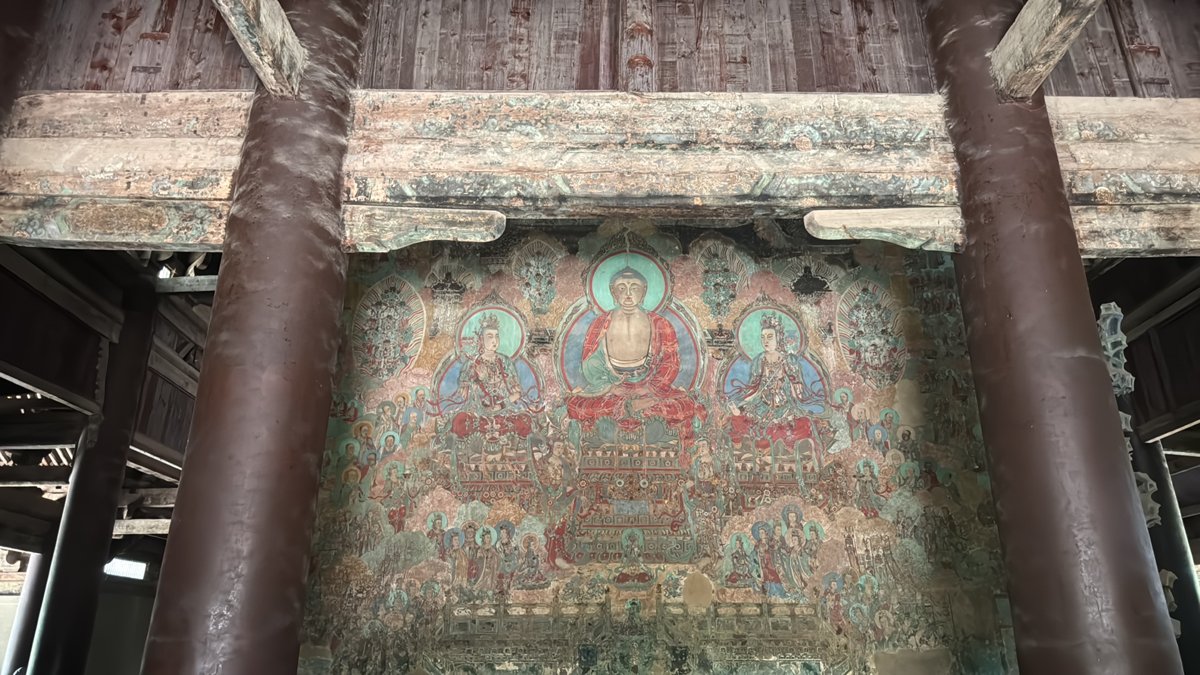
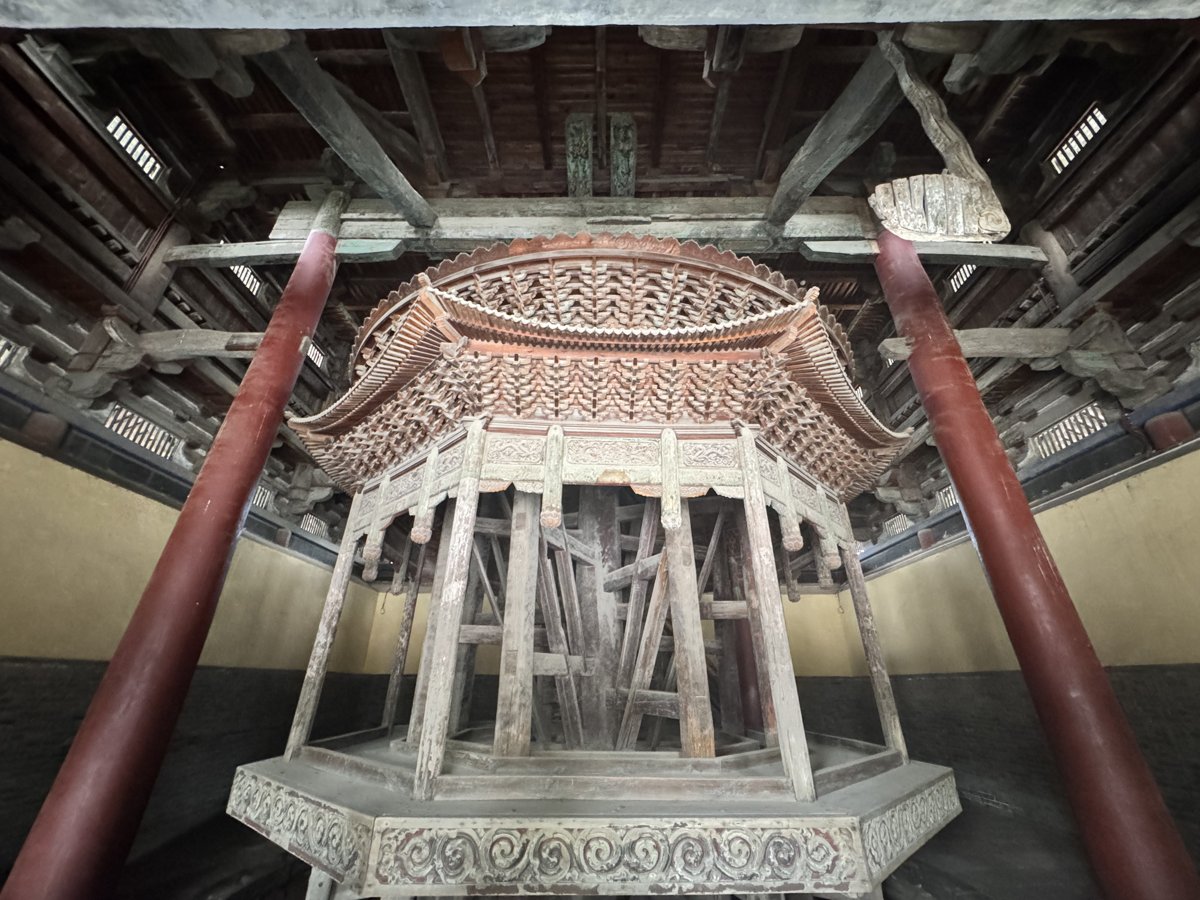
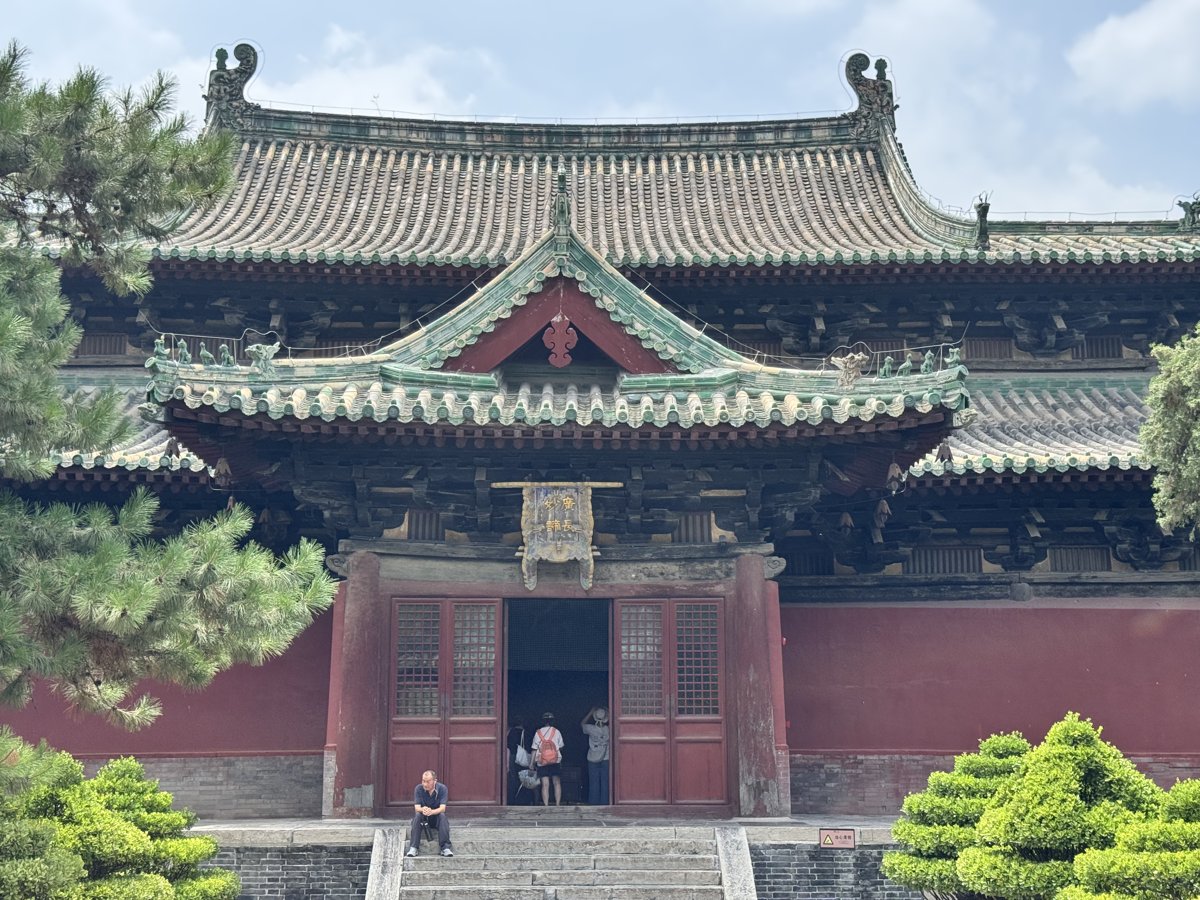
Longxing Temple, popularly the Great Buddha Temple, was founded in the Sui. Early in the Song, the first Song emperor had a bronze statue of the Bodhisattva of Great Compassion cast and the temple enlarged; it is one of the earliest and most complete large Buddhist temples surviving in China. The thousand-armed Guanyin in the Pavilion of Great Compassion, over twenty metres tall, is one of the largest ancient bronze statues in China. The Mani Hall, built in the Northern Song, has a porch on each of its four sides, giving it a cross-shaped plan, and inside is a Ming painted statue of Guanyin seated facing backwards, relaxed and natural. The temple also has a Song revolving sutra cabinet and the Sui Longzang Temple stele, whose regular script, linking the Northern and Southern Dynasties to the Tang, makes it a famous piece in the history of calligraphy.

The four pagodas
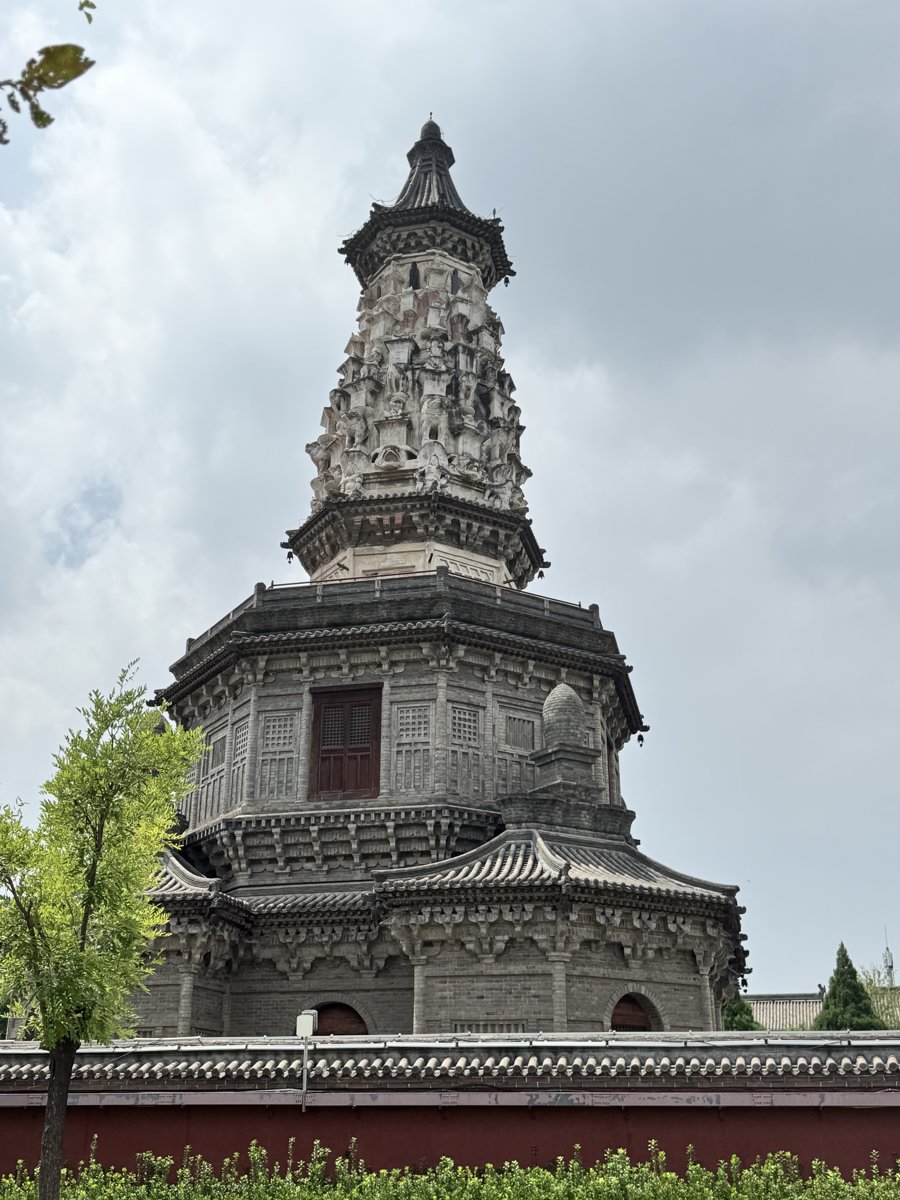
Four old pagodas stand in the old town, each different: the Xumi Pagoda of Kaiyuan Temple is a square Tang brick pagoda; the Lingxiao Pagoda of Tianning Temple is brick below and timber above, and is called the Wooden Pagoda; the upper part of the Flower Pagoda of Guanghui Temple is covered with Buddhas, lions and elephants so that the whole looks like a bunch of flowers — a rare type of which this is the classic example; and the Chengling Pagoda stands in Linji Temple, the ancestral temple of the Linji school of Chan Buddhism. The bell tower of Kaiyuan Temple keeps a Tang timber frame; very few Tang towers survive. The temple also has a huge stone tortoise that once carried a stele.



Confucian temples, steles and town wall
The Main Hall of the county Confucian Temple appears from its style to date from the Five Dynasties or early Song, the oldest surviving main hall of a Confucian temple; of the prefectural Confucian Temple only the Yuan gate remains. The Tang stele recording the deeds of Li Baochen (popularly the Wind-Moved Stele) is tall and imposing. Long stretches of the Ming town wall survive around the old town, and the South Gate area has been restored.

Travel tips
Getting there: Zhengding is north of Shijiazhuang and has Shijiazhuang Zhengding International Airport; it is about half an hour by road from the city centre.
Sightseeing: The monuments are concentrated in the old town. Longxing Temple takes half a day; the four pagodas, Kaiyuan Temple and the Confucian Temple are close together and can be seen on foot or by bicycle in a day.
Stamps
In 2016 China Post issued 2016-16 “Longxing Temple, Zhengding”, two stamps: the Moni Hall and the Dabei Pavilion.

The Moni Hall 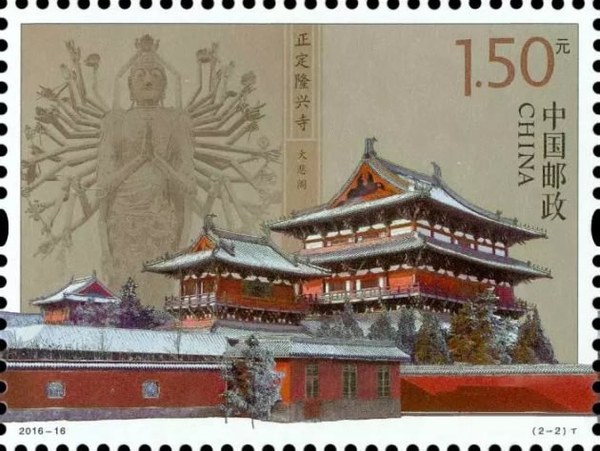
The Dabei Pavilion
Nearby
| World Heritage | Mount Wutai 128km, Foguang Temple 134km, Western Qing Tombs 151km, Cangzhou-Dezhou Section of Nan Canal 165km |
| National parks | Mount Cangyan 51km, Xibaipo–Mount Tiangui Scenic Area 52km, Zhangshiyan 83km, White Cloud Cave, Mount Kong 126km |
| Detailed guides | Mount Tiangui 74km, Shidu 185km |
| AAAAA attractions | Xibaipo 52km, Hengshui Lake Tourist Area 107km, Baishishan Scenic Area 120km, Baiyangdian Lake 147km |
| AAAA attractions | Qiushan Scenic Area <1km, Zhengding Longxing Temple <1km, Tianshan Sea World 12km, North China Military Region Martyrs Cemetery 15km |
| Cities | Shijiazhuang 17km |
| Historical sites | Lingxiao Pagoda <1km, Longxing Temple <1km, Dacheng Hall of Zhengding Confucian Temple <1km, Chengling Pagoda of Linji Temple <1km |
| National geoparks | Lincheng National Geopark 78km, Fuping Tianshengqiao National Geopark 97km |
| Nature reserves | Tuoliang National Nature Reserve 93km, Hengshui Lake National Nature Reserve 107km, Qingyazhai National Nature Reserve 149km |