
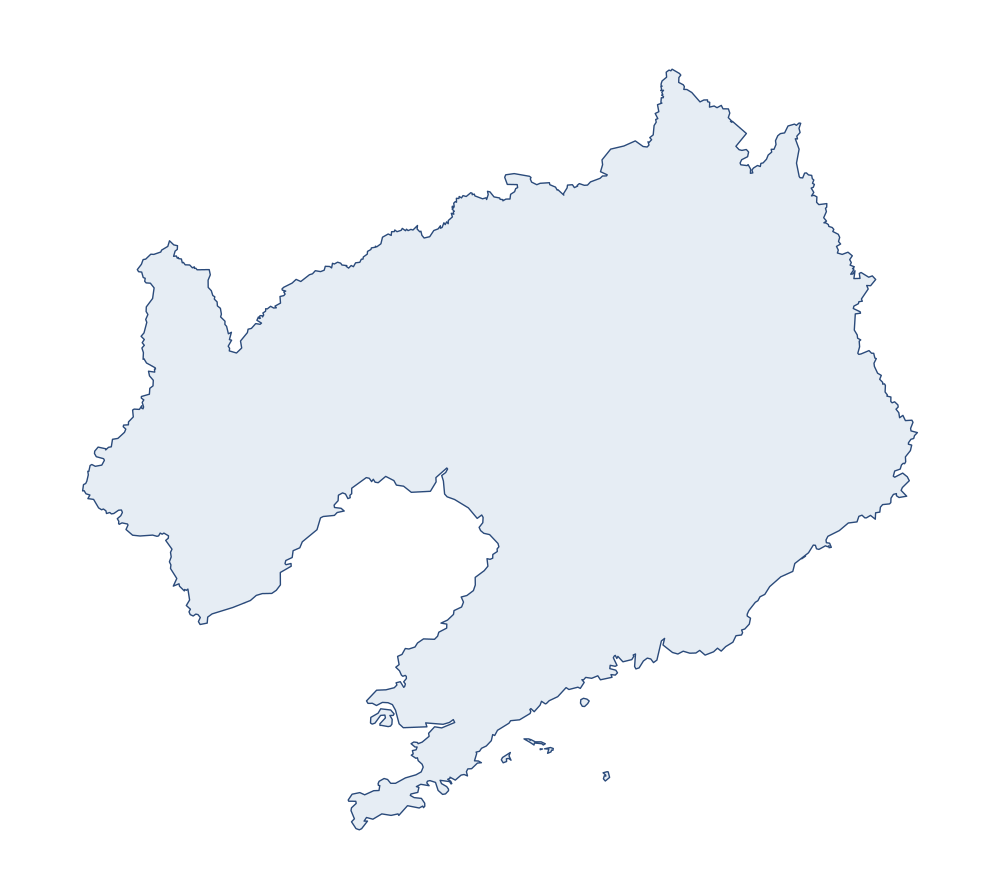
144 Major Historical and Cultural Sites Protected at the National Level in Liaoning (batches 1–8, named by the State Council 1961–2019; 2 of them cross provincial borders, such as the Great Wall and the Grand Canal). Dots are coloured by category. See also Liaoning and all provinces.
Liste:


Dalian (24)
- Turm der Chinesisch-Sowjetischen Freundschaft 中苏友谊纪念塔Stätten der neueren Geschichte · 1. Liste (1961)Memorial tower completed in 1957 to commemorate friendship between China and the Soviet Union, standing on the square in front of the Lüshun Museum.
- Stätte des Gefängnisses Lüshun 旅顺监狱旧址Alte Bauwerke · 3. Liste (1988)Prison begun by the Russian Empire in 1902 and enlarged by Japan in 1907, now the Lüshun Russo-Japanese Prison Site Museum.
- Russische Bauten in Dalian 大连俄国建筑Stätten der neueren Geschichte · 4. Liste (1996)The Dalny Municipal Hall on Yantai Street, built in 1900, originally the administrative center when Tsarist Russia occupied Lüshun and Dalian.
- Moderne Gebäudegruppe am Zhongshan-Platz, Dalian 大连中山广场近代建筑群Stätten der neueren Geschichte · 5. Liste (2001)A group of modern buildings around a circular square 213 m in diameter with ten roads radiating from it, mostly built between 1908 and 1936.
- Grab von Wanzhong 万忠墓Stätten der neueren Geschichte · 6. Liste (2006)The mass grave of the victims of the Lushun massacre, first built in 1895 and rebuilt with a stele in 1896, with a worship hall in front of the tomb.
- Stätte des Museums des Generalgouvernements Kwantung 关东厅博物馆旧址Stätten der neueren Geschichte · 6. Liste (2006)Now the building of the Lüshun Museum, built in 1917; the Lüshun Museum was founded in 1915 and grew from the Japanese Kwantung Government-General Museum.
- Fundstätte Xiaozhushan 小珠山遗址Alte Fundstätten · 7. Liste (2013)A Neolithic shell-mound site on the east slope of Xiaozhu Mountain on Guanglu Island.
- Fundstätte Shuangtuozi 双砣子遗址Alte Fundstätten · 7. Liste (2013)Fundstätte von der Jungsteinzeit bis zur Shang-Zeit.
- Bergstadt Weiba (mit Qingquan-Tempel) 巍霸山城(含清泉寺)Alte Fundstätten · 7. Liste (2013)A mountain-city site of the Han to Tang, including Qingquan Temple.
- Bergstadt Daheishan 大黑山山城Alte Fundstätten · 7. Liste (2013)Also called Beisha City, a mountain city built by Goguryeo in the early 5th century at about 500 meters above sea level, the political and military center ruling the Dalian area at that time.
- Bergstadt Delisi 得利寺山城Alte Fundstätten · 7. Liste (2013)Also called Deliying City, a mountain city built by Goguryeo in the early 5th century, 2,240 meters in circuit; the Liaodong Guard was set up here in the 4th year of the Ming Hongwu reign (1371).
- Steinhügelgräber von Sipingshan 四平山积石墓地Alte Gräber · 7. Liste (2013)Jungsteinzeitlicher Steinhügel-Friedhof.
- Dolmen von Shipenggou 石棚沟石棚Alte Gräber · 7. Liste (2013)Dolmengrab der Xia- und Shang-Zeit.
- Gräberfeld Gangshanglou 岗上楼上墓地Alte Gräber · 7. Liste (2013)Friedhof von der Westlichen Zhou bis zur Frühlings- und Herbstperiode.
- Han-Gräber von Yingchengzi 营城子汉墓群Alte Gräber · 7. Liste (2013)Gräbergruppe der Han-Zeit.
- Stätte des Südlichen Munitionsdepots 南子弹库旧址Stätten der neueren Geschichte · 7. Liste (2013)Stätte eines Munitionsdepots von 1884.
- Stätte der Werft Lüshun 旅顺船坞旧址Stätten der neueren Geschichte · 7. Liste (2013)A large dock built by the Qing government for the Beiyang Fleet in the 1880s, in the grounds of the Dalian Liaonan Shipyard.
- Leuchtturm Laotieshan 老铁山灯塔Stätten der neueren Geschichte · 7. Liste (2013)A lighthouse built by the Qing government to serve the Lushunkou naval port, at the southwest corner of Laotieshan; it was used in turn by Japan, the Russian Empire and the Soviet Union.
- Site of the Kwantung Leased Territory Governor-General's Office 关东州总督府旧址Stätten der neueren Geschichte · 7. Liste (2013)The seat of the Japanese Governor-General of the Kwantung Leased Territory, taken over by the People's Liberation Army after the founding of the People's Republic.
- Stätte des Rotkreuz-Krankenhauses Lüshun 旅顺红十字医院旧址Stätten der neueren Geschichte · 7. Liste (2013)Stätte des Rotkreuz-Krankenhauses Lüshun.
- Stätte der Verwaltung des Pachtgebiets Kwantung 关东州厅旧址Stätten der neueren Geschichte · 7. Liste (2013)A two-story European-style building first built by the Russian Empire and occupied by Japan after the Russo-Japanese War, successively the seat of the Kwantung Governor-General's Office, Kwantung Agency and Kwantung Leased Territory Office.
- Stätte des Hauptquartiers der japanischen Kwantung-Armee 侵华日军关东军司令部旧址Stätten der neueren Geschichte · 7. Liste (2013)The site of the headquarters of the Japanese Kwantung Army that invaded China, a two-story European-style building built in 1919.
- Alte Stadtstätte Zhangdian 张店古城遗址Alte Fundstätten · 8. Liste (2019)A Han-dynasty site discovered in 1972, consisting of two rammed-earth cities, one large and one small, and a cemetery outside the walls, covering nearly 100,000 square meters.
- Russian Deputy Land Defense Commander's Residence in Lüshun 旅顺沙俄陆防副司令官邸建筑Stätten der neueren Geschichte · 8. Liste (2019)A residence of the Russian deputy commander of land defense, built in 1900, taken over by the People's Liberation Army after the founding of the People's Republic.
Shenyang (20)
- Mukden-Palast, Shenyang 沈阳故宫Alte Bauwerke · 1. Liste (1961)Palace of the Later Jin and of the Qing before its entry into the Pass, first built in 1625; after the capital moved to Beijing it became the Shengjing travel palace, and was substantially extended under Emperor Qianlong.
- Qing-Zhaoling-Mausoleum 清昭陵Alte Gräber · 2. Liste (1982)Commonly called the North Tomb, the joint mausoleum of Hong Taiji, the Qing Taizong emperor, and Empress Xiaoduanwen.
- Fuling-Mausoleum 福陵Alte Gräber · 3. Liste (1988)Commonly called the East Tomb, the mausoleum of Nurhaci, khan of the Later Jin, one of the three Shengjing mausoleums.
- Ehemaliger Wohnsitz von Zhang Xueliang 张学良旧居Stätten der neueren Geschichte · 4. Liste (1996)Official residence of the Fengtian warlord Zhang Zuolin and his son Zhang Xueliang, generally called the Zhang Family Marshal's Mansion or the Young Marshal's Mansion.
- Fundstätte Xinle 新乐遗址Alte Fundstätten · 5. Liste (2001)Village site of the Neolithic Xinle culture, on a high terrace on the north bank of an old course of the Hun River.
- Liao-Gräber von Yemaotai 叶茂台辽墓Alte Gräber · 5. Liste (2001)A group of Liao dynasty tombs, found one after another on two hillsides since 1953.
- Stätte der Nordost-Universität 东北大学旧址Stätten der neueren Geschichte · 5. Liste (2001)The campus of Northeastern University before it went into exile within the Pass after the September 18 Incident of 1931.
- Fundstätte Gaotaishan 高台山遗址Alte Fundstätten · 6. Liste (2006)Jungsteinzeitliche Fundstätte.
- Bergstadt Shitaizishan 石台子山城Alte Fundstätten · 6. Liste (2006)Ruine einer Bergstadt der Han- bis Tang-Zeit.
- Xibe-Familientempel 锡伯族家庙Stätten der neueren Geschichte · 6. Liste (2006)Also called Taiping Temple, the family temple of the Xibe people of Shengjing in the Qing, a Gelug-school Tibetan Buddhist temple.
- Reliquienpagode Jingguang, Wugou 无垢净光舍利塔Alte Bauwerke · 7. Liste (2013)Liao-dynasty relic pagoda; the "Evening Glow at Tawan", one of the old Eight Scenes of Shenyang, refers to this pagoda.
- Katholische Kirche Shenyang 沈阳天主堂Stätten der neueren Geschichte · 7. Liste (2013)The cathedral of the Catholic Diocese of Liaoning, called the Sacred Heart Cathedral and also the Xiaonan Catholic Church, begun in 1875.
- Gebäudegruppe am Zhongshan-Platz, Shenyang 沈阳中山广场建筑群Stätten der neueren Geschichte · 7. Liste (2013)Made up of Zhongshan Square and six major buildings around it; the square was formerly called Central Square.
- Stätte des Hauptbahnhofs Liaoning 辽宁总站旧址Stätten der neueren Geschichte · 7. Liste (2013)Commonly called the Old North Station, once the Shenyang North Station building, begun in 1927 and completed in 1930, designed by the architect Yang Tingbao.
- Stätte der Eisenbahndirektion Fenghai 奉海铁路局旧址Stätten der neueren Geschichte · 7. Liste (2013)The former office building of the Fenghai Railway Bureau, built in 1931-1932 and now part of Shenyang East Station.
- Site of the Shenyang Allied POW Camp of World War II 沈阳二战盟军战俘营旧址Stätten der neueren Geschichte · 7. Liste (2013)Also called the Fengtian POW Camp, the site of a camp that held Allied prisoners of war in World War II.
- Steinbrücke Yong'an 永安石桥Alte Bauwerke · 8. Liste (2019)A stone arch bridge first built in the 6th year of Chongde of the Qing (1641), 37 meters long, running east to west.
- Former Site of the CCP Manchuria Provincial Committee 中共满洲省委旧址Stätten der neueren Geschichte · 8. Liste (2019)Headquarters of the CCP Manchuria Provincial Committee from 1927 to 1931, then the Communist Party's leading body in Northeast China.
- Ehemalige Kaserne Beidaying 北大营营房旧址Stätten der neueren Geschichte · 8. Liste (2019)A former barracks, the first place attacked by the Kwantung Army at the time of the September 18 Incident.
- Former Special Military Tribunal for the Trial of Japanese War Criminals 审判日本战犯特别军事法庭旧址Stätten der neueren Geschichte · 8. Liste (2019)The Special Military Tribunal of the Supreme People's Court set up in 1956 to try Japanese war criminals, which sat in Shenyang and Taiyuan and tried 45 war criminals.
Chaoyang (20)
- Nordpagode Chaoyang 朝阳北塔Alte Bauwerke · 3. Liste (1988)Named for being the northernmost of the three pagodas in Chaoyang city in earlier times; repairs from 1984 to 1992 found earlier pagoda foundation remains beneath it.
- Fundstätte Niuheliang 牛河梁遗址Alte Fundstätten · 3. Liste (1988)Important site group of the late Hongshan culture, covering about 50 square kilometers among the valleys of the Nulu'erhu Mountains.
- Fundstätte Dongshanzui 东山嘴遗址Alte Fundstätten · 5. Liste (2001)Jungsteinzeitliche Fundstätte.
- Grab von Yuantaizi 袁台子墓Alte Gräber · 6. Liste (2006)Grab aus der Jin-Zeit.
- Grab von Feng Sufu 冯素弗墓Alte Gräber · 6. Liste (2006)The tomb of Feng Sufu, a founding minister and member of the imperial family of the Northern Yan in the Sixteen Kingdoms period, and of his wife and family.
- Pagode des Yunjie-Tempels 云接寺塔Alte Bauwerke · 6. Liste (2006)Originally called Moyun Pagoda and also known as Zhongfeng Pagoda, a Liao-dynasty 13-story solid close-eaved brick pagoda about 37 meters high.
- Youshun-Tempel 佑顺寺Alte Bauwerke · 6. Liste (2006)A Tibetan Buddhist temple built in the 46th year of the Qing Kangxi reign (1707), 233 meters from north to south.
- Stadtruine Wulian 五连城城址Alte Fundstätten · 7. Liste (2013)Stadtruine der Xia- bis Shang-Zeit.
- Stadtruine Bajiazi 八家子城址Alte Fundstätten · 7. Liste (2013)Stadtruine der Liao- bis Yuan-Zeit.
- Gräberfeld Lamadong 喇嘛洞墓地Alte Gräber · 7. Liste (2013)Friedhof von der Zeit der Drei Reiche bis zur Jin-Zeit.
- Baleng-Guan-Pagode 八棱观塔Alte Bauwerke · 7. Liste (2013)Liao-dynasty ancient pagoda on a hilltop, facing the Daling River on the south and across the river from the site of the Liao Jianzhou city.
- Dongpingfang-Pagode 东平房塔Alte Bauwerke · 7. Liste (2013)Liao-dynasty brick pagoda, hexagonal with nine tiers of which eight survive, a solid dense-eave pagoda on a hilltop facing the Daling River on the south.
- Huanghuatan-Pagode 黄花滩塔Alte Bauwerke · 7. Liste (2013)Liao-dynasty octagonal dense-eave brick pagoda on an earth mound, facing the site of the Liao Xinjianzhou city.
- Qingfeng-Pagode 青峰塔Alte Bauwerke · 7. Liste (2013)Liao-dynasty brick pagoda with thirteen dense eaves, square in plan, on the summit of Xitashan.
- Zwillingspagoden des Shuangta-Tempels 双塔寺双塔Alte Bauwerke · 7. Liste (2013)Two adjacent Liao-dynasty brick pagodas; the west pagoda is hollow, octagonal with three eaves and about 13 m high, and the east pagoda is hollow, octagonal with a single eave.
- Fundstätte Gezidong 鸽子洞遗址Alte Fundstätten · 8. Liste (2019)Altsteinzeitliche Fundstätte.
- Fundstätte Sanyan Longcheng 三燕龙城遗址Alte Fundstätten · 8. Liste (2019)Capital of the Former Yan, Later Yan and Northern Yan of the Sixteen Kingdoms period, hence the name "Sanyan Longcheng"; the archaeological area includes the palace city's south gate, city walls and main roads.
- Gräber der Mongolenfürsten des Rechten Flügels Harqin 喀喇沁右翼旗蒙古王陵Alte Gräber · 8. Liste (2019)Tombs of the Mongol princes of the Harqin Right Wing Banner of the Qing dynasty.
- Südpagode Chaoyang 朝阳南塔Alte Bauwerke · 8. Liste (2019)An ancient Liao-dynasty pagoda, at the north end of Murong Street.
- Massengrab Taiji 台吉万人坑遗址Stätten der neueren Geschichte · 8. Liste (2019)Massengrabstätte von 1943 in Beipiao.
Huludao (11)
- Stadtmauer Xingcheng 兴城城墙Alte Bauwerke · 3. Liste (1988)The Ming-dynasty Ningyuan garrison city, the most complete Ming garrison city in China; it once had inner and outer cities, and only the inner city survives.
- Fundstätte Jiangnüshi 姜女石遗址Alte Fundstätten · 3. Liste (1988)Site of a large palace complex of the Qin to early Western Han near the Bohai Sea, discovered in 1982, with a confirmed extent 4 kilometers from north to south.
- Festung Zhongqiansuo 中前所城Alte Bauwerke · 6. Liste (2006)A garrison town begun in the 3rd year of the Ming Xuande reign (1428), subordinate to the Guangning Qiantun Guard and rebuilt in the 40th year of the Qing Qianlong reign (1755).
- Shengshui-Tempel 圣水寺Alte Bauwerke · 6. Liste (2006)Built in the 59th year of the Qing Kangxi reign (1720), an ancient building complex combining the Three Teachings of Confucianism, Buddhism and Daoism.
- Fundstätte Shaguotun 沙锅屯遗址Alte Fundstätten · 7. Liste (2013)A Neolithic site surveyed in 1921 by the Swedish scholar J. G. Andersson and others.
- Stadtruine Taijitun 邰集屯城址Alte Fundstätten · 7. Liste (2013)Stadtruine der Han- und Liao-Zeit.
- Alte Gräber von Dongdazhangzi 东大杖子古墓群Alte Gräber · 7. Liste (2013)Alte Gräbergruppe aus der Zeit der Streitenden Reiche.
- Baitayu-Pagode 白塔峪塔Alte Bauwerke · 7. Liste (2013)Liao-dynasty ancient pagoda, popularly called the Octagonal Linglong Pagoda, once listed among the Eight Scenes of Xingcheng as the "Nine-Dragon Smoke Pagoda".
- Moshigou-Pagode 磨石沟塔Alte Bauwerke · 7. Liste (2013)Liao-dynasty brick pagoda 17.4 m high, an octagonal nine-tier hollow dense-eave pagoda with a badly damaged base.
- Zwillingspagoden des Miaofeng-Tempels 妙峰寺双塔Alte Bauwerke · 7. Liste (2013)Twin pagodas built in the Qiantong years of the Liao, relics of Miaofeng Temple, which was destroyed in the late Ming and early Qing, leaving only the pagodas.
- Steinpagode Shaguotun 沙锅屯石塔Alte Bauwerke · 7. Liste (2013)Stone pagoda built in the sixth year of the Taihe reign of the Jin (1206), about 5 m high, hexagonal with five tiers of eaves, a solid dense-eave pagoda.
Jinzhou (10)
- Fengguo-Tempel 奉国寺Alte Bauwerke · 1. Liste (1961)First built in the ninth year of the Kaitai reign of the Liao (1020); its main hall enshrines the Seven Buddhas of the Past, hence the name Seven Buddha Temple; one of only three Liao-dynasty temples surviving in China.
- Wanfotang-Grotten 万佛堂石窟Grotten und Steinschnitzereien · 3. Liste (1988)Northern Wei caves cut into a cliff on the north bank of the Daling River, about 100 meters from east to west; the earliest and largest grottoes in Northeast China.
- Beizhen-Tempel 北镇庙Alte Bauwerke · 3. Liste (1988)Mountain-god temple of Yiwulü Mountain, first built in the 14th year of the Kaihuang reign of the Sui (594); the best-preserved of the five great mountain-guardian temples of China.
- Zwillingspagoden des Chongxing-Tempels 崇兴寺双塔Alte Bauwerke · 3. Liste (1988)Twin pagodas built in the late Liao in the northeast corner of the city of Guangning, named after the Ming and Qing Chongxing Temple behind the pagodas.
- Alter Gebäudekomplex des Guangji-Tempels 广济寺古建筑群Alte Bauwerke · 5. Liste (2001)A group of ancient buildings from the Liao to the Qing, including Guangji Temple, the Guangji Temple Pagoda, the Tianhou Palace and the Zhaozhong Shrine.
- Stadt Guangning 广宁城Alte Bauwerke · 6. Liste (2006)A walled city begun in the 23rd year of the Ming Hongwu reign (1390), seat of the Guangning Guard of the Liaodong Command; its walls, drum tower and the Li Chengliang stone archway are within the protected area.
- Gräber von Longgang 龙岗墓群Alte Gräber · 7. Liste (2013)Liao-dynasty tomb group; three tombs have been found, all heavily looted.
- Banji-Pagode 班吉塔Alte Bauwerke · 7. Liste (2013)A Liao-dynasty brick pagoda first built in 1058 (Liao Qingning 4), an octagonal solid flower pagoda 11.25 m high.
- Pagode des Guangsheng-Tempels 广胜寺塔Alte Bauwerke · 7. Liste (2013)Octagonal 13-story dense-eave brick pagoda, also called Jiafu Temple Pagoda because Jiafu Temple once stood beneath it, in the southwest corner of the old town of Yi County.
- Liao-Gräber am Yiwulü Shan 医巫闾山辽陵Alte Gräber · 8. Liste (2019)Kaisergräber der Liao-Zeit am Yiwulü-Berg.
Benxi (10)
- Bergfestung Wunü 五女山山城Alte Fundstätten · 4. Liste (1996)Site of the first Goguryeo capital (34 BC to AD 3), also called Hesheng Gu City or Zuben City.
- Fundstätte Miaohoushan 庙后山遗址Alte Fundstätten · 6. Liste (2006)A Paleolithic site in a natural cave, the earliest trace of human activity found in northeast China.
- Bergstadt Gaojiandi 高俭地山城Alte Fundstätten · 7. Liste (2013)A Goguryeo mountain-city site in Huanren County, locally called "Gaoli City."
- Stadtruine Xiagucheng 下古城子城址Alte Fundstätten · 7. Liste (2013)A city site of the Han to Tang, in Xiagucheng Village, Huanren Manchu Autonomous County.
- Stadtruine Bianniushan 边牛山城址Alte Fundstätten · 7. Liste (2013)A Goguryeo mountain-city site in Xihu District, Benxi, locally called "Gaoli City."
- Gräberfeld Machengzi 马城子墓地Alte Gräber · 7. Liste (2013)Cemetery of the Xia to Western Zhou periods, in Machengzi Village, Nandianzi Town.
- Gräberfeld Wangjianglou 望江楼墓地Alte Gräber · 7. Liste (2013)Friedhof von der Westlichen bis zur Östlichen Han.
- Gräber im Yahe-Becken 雅河流域墓群Alte Gräber · 7. Liste (2013)Gräbergruppe der Han- bis Tang-Zeit.
- Gräberfeld Fengjiapuzi 冯家堡子墓地Alte Gräber · 7. Liste (2013)Friedhof der Han- bis Tang-Zeit.
- Industrieerbe Benxihu 本溪湖工业遗产群Stätten der neueren Geschichte · 7. Liste (2013)Industrial heritage left by Japanese-run coal mines and other factories in the Benxihu area after the Russo-Japanese War; Benxihu is rich in mineral resources.
Fushun (9)
- Stätte des Massakers von Pingdingshan 平顶山惨案遗址Stätten der neueren Geschichte · 3. Liste (1988)Site of the 1932 massacre of villagers of Pingdingshan by Japanese troops.
- Yongling-Mausoleum 永陵Alte Gräber · 3. Liste (1988)Tombs of the ancestors of Nurhaci, originally named Xingjing Mausoleum, where Möngke Temür and others are buried.
- Alte Stadt Hetuala 赫图阿拉故城Alte Fundstätten · 6. Liste (2006)An early capital established by Nurhaci; "Hetuala" means "horizontal ridge" in Manchu; in Yongling Town.
- Stätte des Kriegsverbrechergefängnisses Fushun 抚顺战犯管理所旧址Stätten der neueren Geschichte · 6. Liste (2006)A prison built in 1936 during the Japanese invasion of China and turned into a war criminals management center in 1950, covering over 40,000 square meters.
- Stätte der Südstadt Yongling 永陵南城址Alte Fundstätten · 7. Liste (2013)Stadtruine von der Han- bis zur Wei-Jin-Zeit.
- Gräberfeld Shijiagou 施家沟墓地Alte Gräber · 7. Liste (2013)Friedhof der Han- bis Tang-Zeit.
- Marschallswald 元帅林Stätten der neueren Geschichte · 7. Liste (2013)A cemetery built in 1929 by Zhang Xueliang for his father Zhang Zuolin, an empty tomb covering 125,400 square meters, made up of a square city, a round city and the Baoding burial mound.
- Grab und Gedenkstele für Lei Feng 雷锋墓和雷锋纪念碑Stätten der neueren Geschichte · 7. Liste (2013)The tomb of Lei Feng and the Lei Feng Memorial Stele, in Wanghua District.
- Stadtruine Sarhu 萨尔浒城遗址Alte Fundstätten · 8. Liste (2019)Site of a city built by the Later Jin on the northern half of Sarhu Mountain; "Sarhu" is rendered in Chinese as "wooden cabinet".
Liaoyang (7)
- Wandmalereigräber von Liaoyang 辽阳壁画墓群Alte Gräber · 1. Liste (1961)Tomb group of the Eastern Han to Wei-Jin period, distributed along both banks of the Taizi River at Bangtaizi, Beiyuan, Sandaohao and other places.
- Weiße Pagode Liaoyang 辽阳白塔Alte Bauwerke · 3. Liste (1988)Dense-eave brick pagoda named for its all-over whitewash, generally believed to have been first built in the Liao and Jin periods; Baita District is named after it.
- Bergstadt Yanzhoucheng 燕州城山城Alte Fundstätten · 7. Liste (2013)Originally called Baiyan City, built by the Goguryeo in the early 5th century on Shicheng Mountain.
- Brennofenstätte Gangguantun 冮官屯窑址Alte Fundstätten · 7. Liste (2013)A Liao-dynasty folk kiln, begun in the Liao, most flourishing in the Jin and declining to abandonment in the Yuan, firing a wide variety of wares.
- Stadtruine Dongjing 东京城城址Alte Fundstätten · 7. Liste (2013)The capital of the Later Jin from 1622 to 1625, east of the Ming city of Liaoyang.
- Han-Gräber von Miaopu, Liaoyang 辽阳苗圃汉墓群Alte Gräber · 7. Liste (2013)Large ancient tomb group spanning the Western Han to the Liao and Jin periods.
- Dongjing-Mausoleum 东京陵Alte Gräber · 7. Liste (2013)About 1.5 km east of the Dongjing City site, a Qing imperial mausoleum, the only one beyond the Shengjing Three Mausolea outside the Shanhai Pass.
Anshan (7)
- Fundstätte Xianrendong, Haicheng 海城仙人洞遗址Alte Fundstätten · 5. Liste (2001)Altsteinzeitliche Fundstätte.
- Dolmen von Ximucheng 析木城石棚Alte Gräber · 5. Liste (2001)The remains of a megalithic structure from the late Neolithic to the Bronze Age, fairly well preserved.
- Goldene Pagode 金塔Alte Bauwerke · 7. Liste (2013)Pagode aus der Liao-Zeit in der Stadt Haicheng.
- Silberpagode 银塔Alte Bauwerke · 7. Liste (2013)Ancient pagoda of the Liao to Ming periods, on the northern hillside of Xitazigou Village, Jiewen Town, Haicheng.
- Alter Gebäudekomplex Qianshan 千山古建筑群Alte Bauwerke · 7. Liste (2013)Ancient building complex in the Qianshan scenic area, including the "Five Great Chan Forests" of Longquan Temple, Xiangyan Temple, Da'an Temple, Zuyue Temple and Zhonghui Temple, and the Wuliang Temple.
- Bergfestung Wolongshan 卧龙山山城遗址Alte Fundstätten · 8. Liste (2019)Ruine einer Bergfestung der Sui- und Tang-Zeit.
- Frühe Bauten des Stahlwerks Anshan 鞍山钢铁厂早期建筑Stätten der neueren Geschichte · 8. Liste (2019)Early buildings of the Anshan Iron and Steel Works from 1920 to 1977.
Yingkou (6)
- Xuanzhen-Tempel 玄贞观Alte Bauwerke · 3. Liste (1988)Daoist temple enshrining the Xuanwu Emperor, also called Xuandi Temple or Shangdi Temple, first built in the 15th year of the Hongwu reign of the Ming (1382) and repaired many times in the Qing.
- Fundstätte Jinniushan 金牛山遗址Alte Fundstätten · 3. Liste (1988)Early Paleolithic site, the only one of its kind in Northeast China.
- Dolmen von Shipengshan 石棚山石棚Alte Gräber · 4. Liste (1996)Megalithic monumental structure combining burial and ritual, also called the Xujiatun dolmen or Jiuzhai dolmen.
- Stätte des Westforts 西炮台遗址Stätten der neueren Geschichte · 6. Liste (2006)Originally called the Yingkou Great Fort, on the Bohai coast to the left of the mouth of the Liao River, built in 1888 and commonly called the West Fort.
- Bergstadt Gaolicheng 高丽城山城Alte Fundstätten · 7. Liste (2013)Also called Qingshiling Mountain City, a mountain-city site built by Goguryeo about the early 5th century.
- Stätte des russischen Konsulats in Yingkou 营口俄国领事馆旧址Stätten der neueren Geschichte · 7. Liste (2013)Formerly the Russian Civil Affairs Office, now the school history museum of the former campus of Yingkou High School.
Dandong (6)
- Bergstadt Fenghuangshan 凤凰山山城Alte Fundstätten · 4. Liste (1996)Also called Wugu City, about 16 kilometers in circumference, the largest surviving Goguryeo mountain city on the right bank of the Yalu River.
- Zerstörte Yalu-Brücke 鸭绿江断桥Stätten der neueren Geschichte · 6. Liste (2006)The remains of the original Yalu River Bridge after it was bombed.
- Höhlenfundstätte Qianyang 前阳洞穴遗址Alte Fundstätten · 7. Liste (2013)Altsteinzeitliche Höhlenfundstätte.
- Fundstätte Houwa 后洼遗址Alte Fundstätten · 7. Liste (2013)A Neolithic site on the coastal plain in the north of the Yellow Sea coast, 16 km from the sea to the south.
- Großes Decksteingrab Dongshan 东山大石盖墓Alte Gräber · 7. Liste (2013)Großes Decksteingrab der Xia- und Shang-Zeit.
- Xiahekou Highway Broken Bridge Site (Resist America, Aid Korea) 抗美援朝下河口公路断桥遗址Stätten der neueren Geschichte · 7. Liste (2013)Commonly called the Hekou Broken Bridge, originally Qingcheng Bridge, over the Yalu River, facing Korea across the river.
Fuxin (5)
- Fundstätte Chahai 查海遗址Alte Fundstätten · 4. Liste (1996)Jungsteinzeitliche Siedlungsstätte.
- Massengrab Fuxin („Grube der zehntausend Leichen“) 阜新万人坑Stätten der neueren Geschichte · 6. Liste (2006)Mass graves of miners who died during the Japanese control of the Fuxin coal mine; there are four larger pits, burying more than 70,000 dead miners.
- Liao-Gräber von Guanshan 关山辽墓Alte Gräber · 7. Liste (2013)Family cemetery of Xiao He of the Liao dynasty; Xiao He was the father of Empress Xiao Nuojin, consort of Emperor Shengzong of Liao.
- Dongtashan-Pagode 东塔山塔Alte Bauwerke · 7. Liste (2013)Liao-dynasty brick pagoda made up of an underground chamber, a base and a pagoda body.
- Tayingzi-Pagode 塔营子塔Alte Bauwerke · 7. Liste (2013)Liao-dynasty brick pagoda; Tayingzi contains the ancient city site of the Liao Yizhou.
Tieling (5)
- Fundstätte Tuanshan 团山遗址Alte Fundstätten · 7. Liste (2013)Fundstätte von der Frühlings- und Herbstperiode bis zur Zeit der Streitenden Reiche.
- Bergstadt Chengzishan 城子山山城Alte Fundstätten · 7. Liste (2013)A mountain city site from the Tang to the Jin dynasty, its wall following the ridge for over 3,000 m in circumference, with remains of a reservoir and a lookout platform inside.
- Stadtruine Simiancheng 四面城城址Alte Fundstätten · 7. Liste (2013)Stadtruine der Liao- und Jin-Zeit.
- Yingang-Akademie 银冈书院Alte Bauwerke · 7. Liste (2013)Academy first built in the Shunzhi reign of the Qing, considered the earliest, most influential and best-preserved academy in Northeast China.
- Pagode des Chongshou-Tempels, Kaiyuan 开原崇寿寺塔Alte Bauwerke · 8. Liste (2019)An ancient pagoda of the Liao and Jin periods, within Chongshou Temple in the southwest corner of the old city.
Panjin (2)
- Site of the Tianzhuangtai Battle of the First Sino-Japanese War 甲午战争田庄台遗址Stätten der neueren Geschichte · 7. Liste (2013)A site commemorating Qing soldiers who died in the First Sino-Japanese War, also called the Tomb of the Martyrs of the Last Battle of the Sino-Japanese War of 1894-95, locally called "Qingbing Fen", covering about 10,000 square meters.
- Former Panshan Detachment of the Japanese Kwantung Army Railway Guard 侵华日本关东军护路守备队盘山分队旧址Stätten der neueren Geschichte · 8. Liste (2019)Former site of the Panshan detachment of the Japanese Kwantung Army's railway guard, 1932.
Provinzübergreifend (2)
- Große Mauer bei Jiumenkou 万里长城—九门口Alte Bauwerke · 4. Liste (1996)A Ming Great Wall pass built across the bed of a seasonal river, with a wall of nine arched gates that blocks the river for defense; also called Yipianshi Pass.
- Große Mauer 长城Alte Bauwerke · 5. Liste (2001)A combined listing of Great Wall sections from the Spring and Autumn period to the Ming dynasty, across Beijing, Hebei, Shanxi, Inner Mongolia, Shaanxi, Shandong, Ningxia, Liaoning and other provinces and regions; the Beijing section is mainly Ming Great Wall.