 Park of China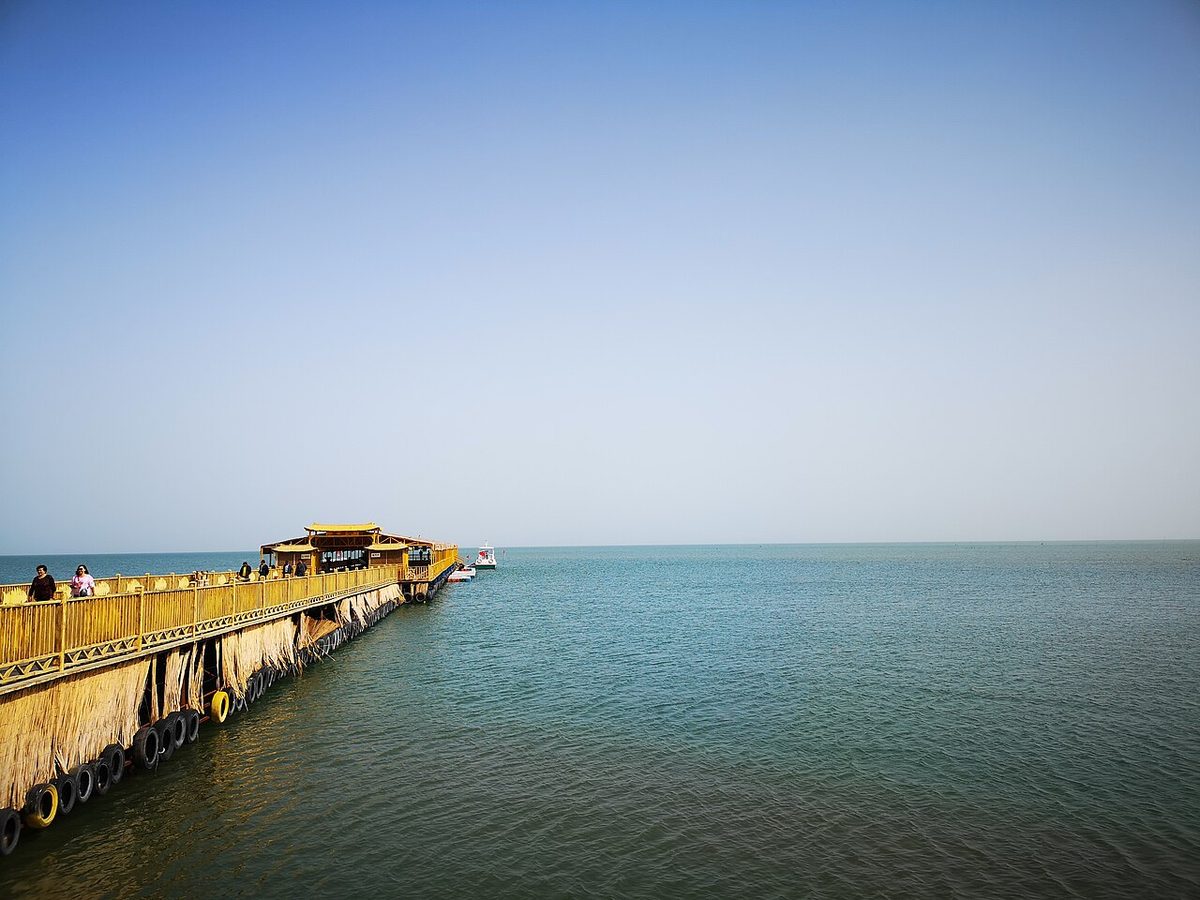
Overview
| Designation | National Park of China (fourth batch) |
| Province | Xinjiang |
| Location | Bohu County, southern foot of the Tianshan, Xinjiang |
| Rivers and lakes | Bosten Lake |
| Latitude, longitude | 41.9, 86.9 Google Maps |
| Highlights | Reed wetlands, desert |
| Top sights | The small lakes |
| Wildlife | Goitered gazelle, deer, big-head schizothoracin, Tarim schizothoracin |
| Area | over 1,100 km² |
| Elevation | 1,048 m |
| Nearby cities | Bohu 14km, Yanqi 24km, Korla 40km, Ürümqi 250km |
| Nearby sites | Heavenly Lake of Tianshan 244km Search nearby |
| Themes | Lake, Wildlife, Desert, Wetland, Bird, Rafting & boat trips |
About
Bosten Lake, anciently the “Western Sea”, lies in Bohu County in the south-east of the Yanqi basin at the southern foot of the Tianshan, Xinjiang, between 86°26′ and 87°40′ E and 41°56′ and 42°14′ N, 24 km from the Yanqi county seat. It is China’s largest inland freshwater lake with both inflow and outflow. “Bosten” is Mongolian for “standing”. The lake is about 55 km east to west and 25 km north to south, 1,048 m above sea level, over 1,100 km² in area, 9 m deep on average and 17 m at most.
Its reed beds are vast and wildlife abundant, with goitered gazelles and deer, and it once held the rare big-head and Tarim schizothoracin fish. The History of the Sui already records its “wealth of fish, salt, rushes and reeds”. In the eastern part of the central lake are hot springs 10 to 30 m across that gush warm water summer and winter; the lake drains from its south-west corner as the source of the Peacock River. On the south-east shore the 691 km² Ailexun Ula desert makes a stark contrast with the great lake and its reed marshes.
Ringed by high mountains, the lake has changeable dry springs, hot dry summers, fast-cooling autumns and cold winters with high evaporation and many sunny days. The annual mean is 7.9 °C; January averages −12.7 °C (extreme −30.2 °C, water 0.6 °C) and July 22.8 °C (extreme 38 °C, water 23 °C); sunshine is 67–68% of the possible.
It is in the fourth batch of national parks of China (national scenic areas) named by the State Council in 2002.
Travel tips
Getting there: the lake is in Bohu county, about 24 km from Yanqi and about 60 km from Korla. Korla has an airport and a railway station, and is the most convenient base, with a road on to Bohu and the lake. Urumqi to Korla has flights and trains.
Layout: the area has several parts. The Small Lake area is rich in reeds and waterways, and is toured mainly by boat. The Large Lake area is open water with beaches and viewpoints.
What to see: in the Small Lake area, boats take you through the reeds to see water birds. In the Large Lake area there are beaches and boats, and you can see the desert on the east shore beside the water.
Time: allow half a day for each of the two areas. Seeing both with travel takes a full day.
Season: summer temperatures suit the lake and are the main season. In autumn the reeds turn yellow, and in winter the lake freezes and boat trips stop.
Where to stay: Bohu town and the lake shore have guesthouses, but Korla has more, and most visitors stay there.
Food: the lake is known for its fish, and local restaurants serve many fish dishes.
Caution: the sun is strong on the water in summer, so use sun protection. Mosquitoes can be a nuisance, so bring repellent.
Photo credits: Bosten Lake: liuxingy2015 (CC BY 2.0, Wikimedia Commons)
Nearby
| World Heritage | Yarkhoto 213km, Site of Qocho City 240km, Bogda 243km, Heavenly Lake of Tianshan 244km |
| National parks | Lop People’s Village 118km |
| AAAAA attractions | Tianshan Grand Canyon Scenic Area 170km |
| AAAA attractions | Golden Sand Beach 40km, Seven Stars Buddhist Temple Site 46km |
| Nature reserves | Tarim Populus euphratica National Nature Reserve 137km |