 Park of China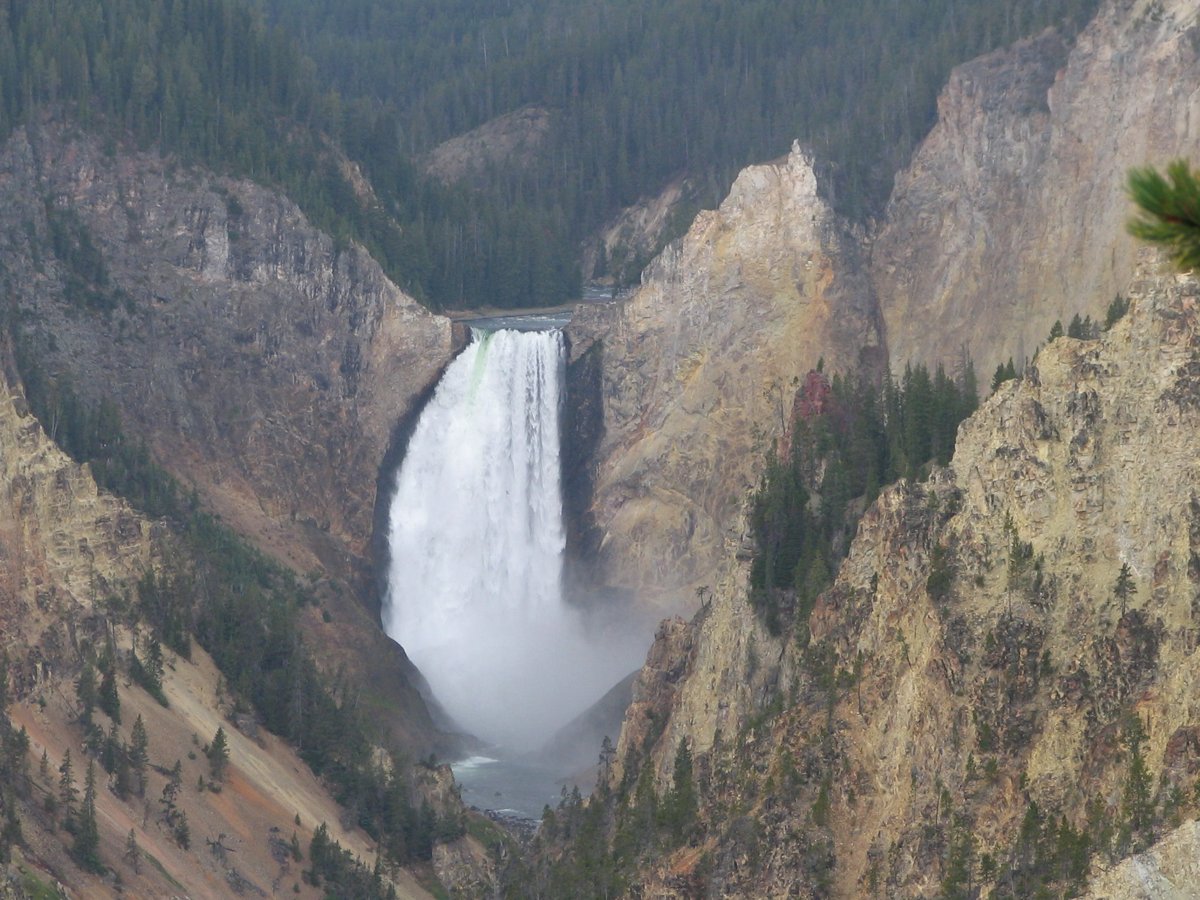
Overview
| Designation | UNESCO World Heritage (natural, 1978) US National Park |
| Location | Where Wyoming, Idaho and Montana meet; mostly in Wyoming |
| Latitude, longitude | 44.5, -110.5 Google Maps |
| Highlights | Geysers, hot springs and other geothermal features; wildlife; canyons; waterfalls; lakes; forests |
| Top sights | Old Faithful, Grand Canyon of the Yellowstone, Mammoth Hot Springs, wildlife |
| Wildlife | Grizzly bears, black bears, bison, pronghorn, elk, moose, mule deer, bighorn sheep, coyotes, swans, pelicans |
| Area | 2,222,000 acres |
| Highest point | 11,000 ft |
| Nearby cities | West Yellowstone, Bozeman MT, Jackson WY |
| Nearby sites | Grand Teton National Park 69km, Glacier National Park 531km Search nearby |
| Themes | Geothermal, Fountain, Mountain, Lake, Spring, Waterfall, Canyon, Wildlife, Forest, Grassland, Volcano, Hot springs, Scenic drives, Hiking & climbing |
About
Yellowstone National Park lies where Wyoming, Idaho and Montana meet, with most of it in Wyoming.
Founded in 1872, Yellowstone is the world's first national park. In 1978 it was listed as a World Natural Heritage Site.
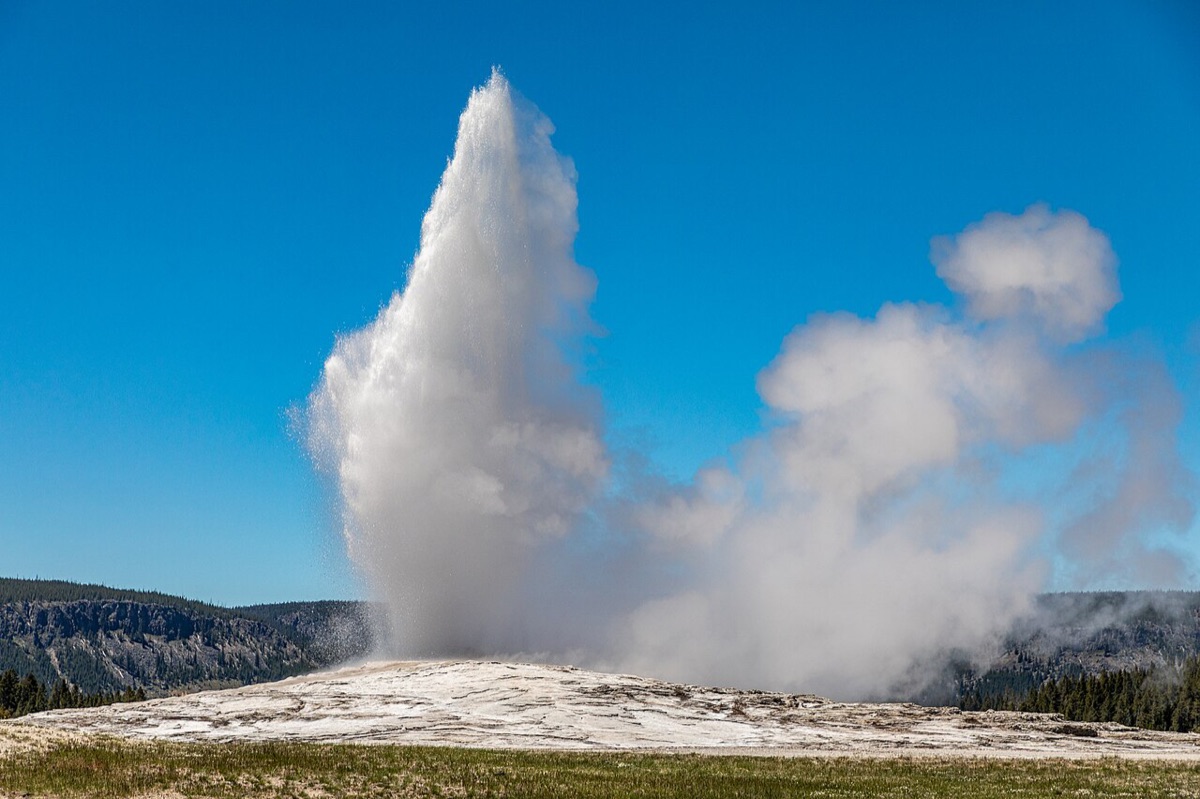
Yellowstone's main attraction is its geothermal features, above all its geysers. Old Faithful is the park's most famous geyser.
Beneath Yellowstone lies an active supervolcano.
Wildlife is the park's other great attraction. Grizzly bears, black bears, bison, pronghorn, elk, moose, mule deer, bighorn sheep, coyotes, swans and pelicans all live in the park.
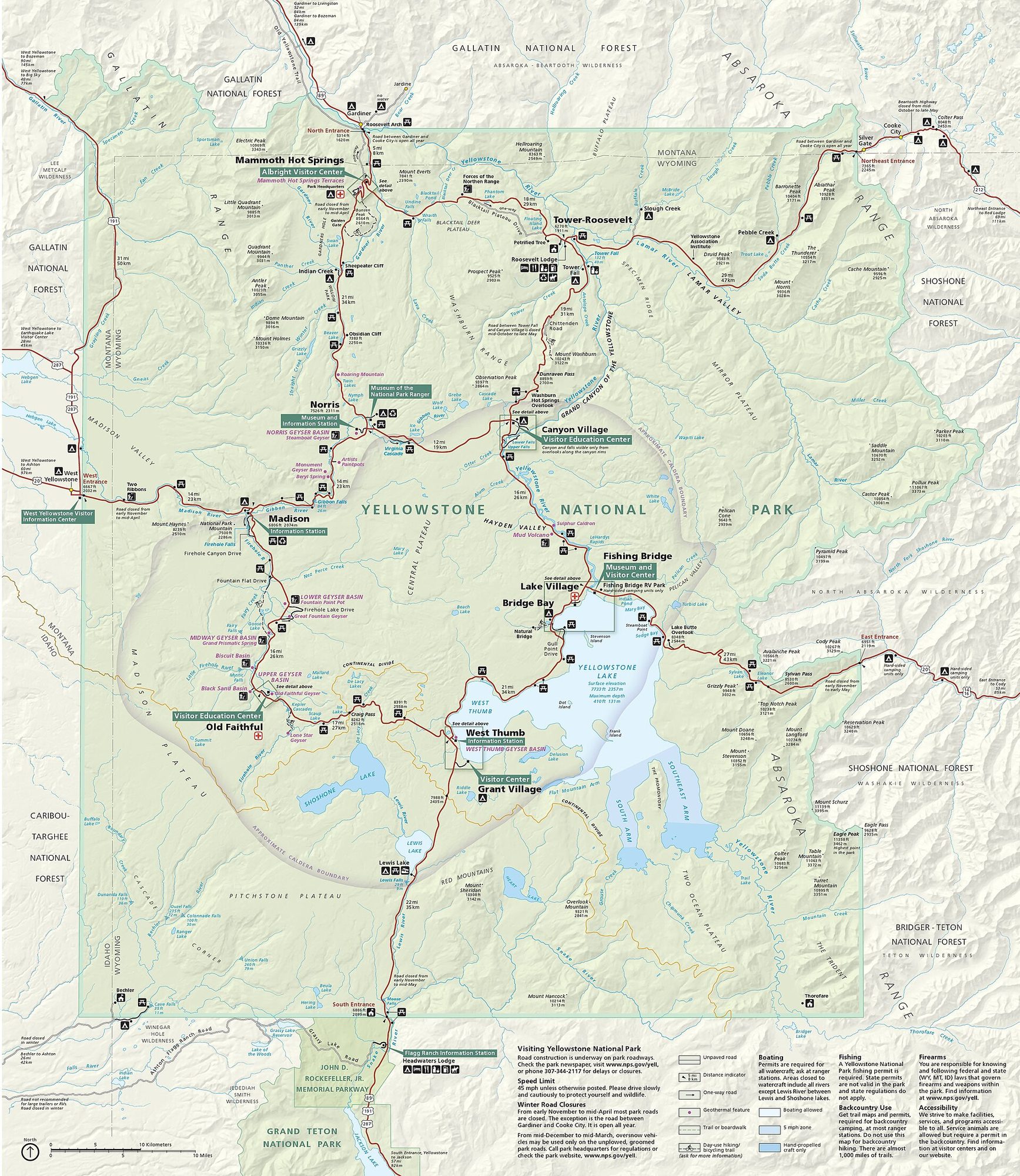
Visitor map
Main sights
Old Faithful: in the Upper Geyser Basin in the south-west, erupting about every 100 minutes on average to a height of roughly 40 to 50 metres. Old Faithful Inn and hundreds of other hot springs and geysers are nearby.
Grand Prismatic Spring: in the Midway Geyser Basin, the largest hot spring in the United States, about 90 metres across, deep blue at the centre with orange, yellow and green bands of algae and bacteria around the edge.

Norris Geyser Basin: in the north-west of the centre, the hottest and most changeable thermal area in the park, home to Steamboat Geyser, the tallest active geyser in the world.
Mammoth Hot Springs: in the north, where hot water has laid down terraces of white calcium carbonate; the North Entrance and park headquarters at Fort Yellowstone are close by.
Grand Canyon of the Yellowstone: in the east-centre, where the Yellowstone River has cut a canyon about 32 km long through yellow rock, with Upper and Lower Falls; the Lower Falls are about 94 metres high.
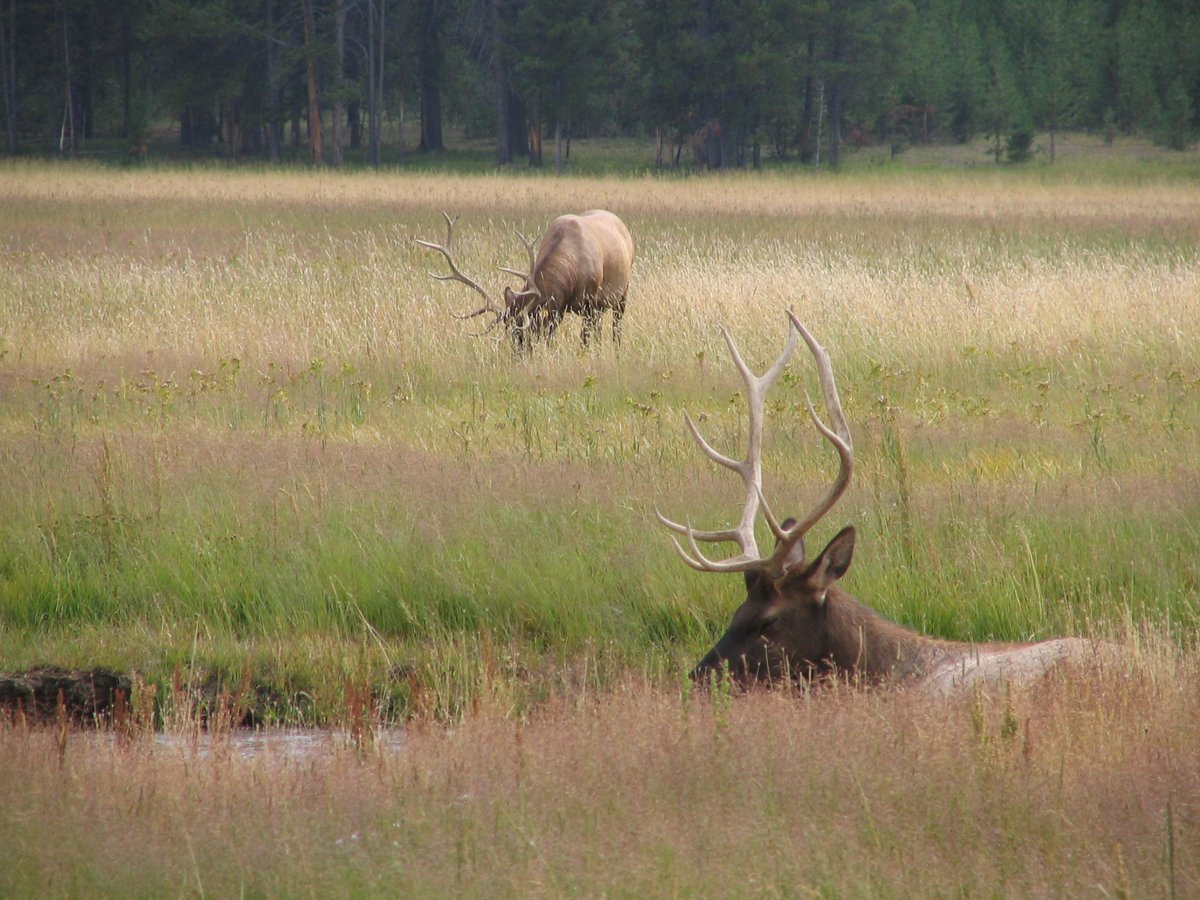
Hayden Valley: a broad valley along the Yellowstone River and one of the main places to see bison and grizzly bears; elk are seen here in autumn.
Lamar Valley: in the north-east, a wide grassland often called the Serengeti of North America, and the main area for watching wolves and bison herds.
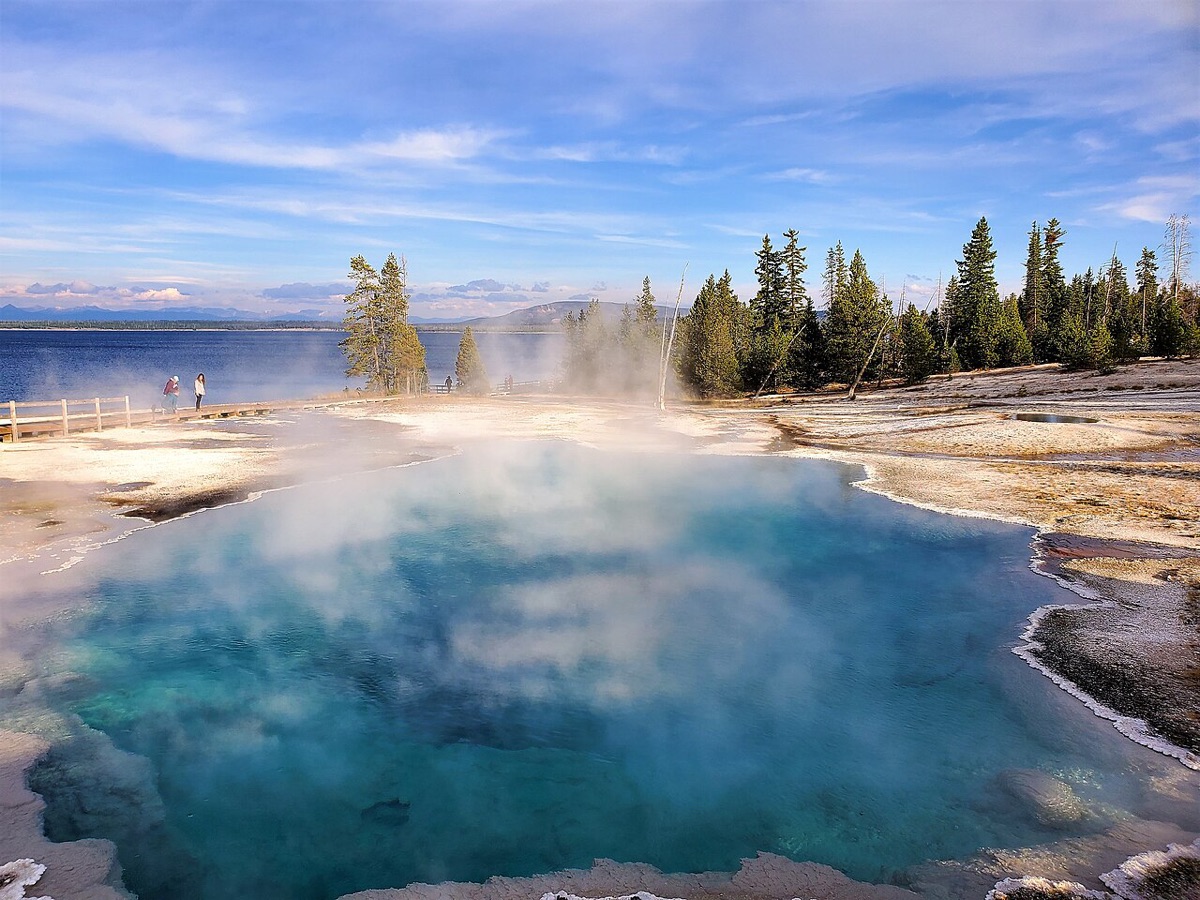
Yellowstone Lake: in the south-east at about 2,357 metres, one of the largest high-elevation lakes in North America; the West Thumb Geyser Basin is on its western shore.
Mount Washburn: north of the canyon, with a lookout tower at the summit and a moderate trail; the view takes in the Yellowstone plateau and, on clear days, the Tetons.
Geology and landscape
Yellowstone sits on a vast volcanic field. Three very large eruptions have occurred in the past 2.1 million years, the latest about 640,000 years ago, leaving a caldera roughly 70 by 45 km.
Magma still lies beneath the caldera and heats groundwater, which rises through cracks to form hot springs, geysers, mud pots and fumaroles, more of them than anywhere else in the world.
A geyser needs heat, plentiful groundwater and a narrow underground plumbing system, so they are rare; Yellowstone holds nearly half of the world's active geysers.
The colours come from water temperature and heat-loving microbes: the cooler the water, the more varied the algae and bacteria, so the edges of springs are often orange and yellow.
Ice covered the park's valleys in the ice ages, and ice and running water later shaped the Yellowstone canyon, the lake basin and many scattered boulders.
Wildlife and plants
Yellowstone has one of the richest concentrations of large mammals in the lower 48 states, including grizzly and black bears, bison, elk, moose, pronghorn, bighorn sheep and wolves.
Bison are the most numerous large animal, and Yellowstone is one of the few places where wild bison have lived continuously since prehistoric times.

Wolves were eliminated in the 1920s and returned in 1995 and 1996, brought from Canada; they now live mainly in Lamar Valley and the north.
Lodgepole pine dominates the forests. The fires of 1988 burned about a third of the park, and new forest now grows across much of the burned area.
Heat-loving microbes in the hot springs led to the discovery of Thermus aquaticus here, whose enzyme was later used in DNA amplification.
Travel tips
Getting there: The nearest airports are Bozeman, Montana, Jackson and Cody, Wyoming, and West Yellowstone, which has summer flights; most visitors rent a car.
Entrances: There are five: Gardiner in the north, West Yellowstone, the south, the east and the north-east. The road from the north entrance to the north-east entrance stays open all year; the others are open in winter only to snowcoaches and snowmobiles.
The route: The Grand Loop Road, about 142 miles (229 km), is a figure of eight linking Old Faithful, Grand Prismatic Spring, Mammoth Hot Springs, the Grand Canyon of the Yellowstone and Hayden Valley.
Wildlife: Hayden Valley and Lamar Valley in the north are the best places to see bison, wolves and grizzly bears; keep at least 25 yards (23 m) from wildlife and 100 yards (91 m) from bears and wolves.
Thermal areas: stay on the boardwalks; the crust is thin and the water scalding.
Time: Three days cover the main sights and five are more relaxed; the park is large, and the drive between sights is often an hour or two.
Season: The main roads are open from about late April to early November; June to August is busiest, spring and autumn are quieter and snow is possible; in winter snowcoaches run to the Old Faithful area.
Where to stay: The park has a dozen or so lodges and campgrounds, such as Old Faithful Inn and Lake Hotel, which should be booked up to a year ahead; others stay in West Yellowstone, Gardiner, Cody or Jackson.
Highlights
Old Faithful
Grand Prismatic Spring
Mammoth Hot Springs
Grand Canyon of the Yellowstone and Lower Falls
West Thumb Geyser Basin on Yellowstone Lake
Norris Geyser Basin
Tower Fall
Park map

Map
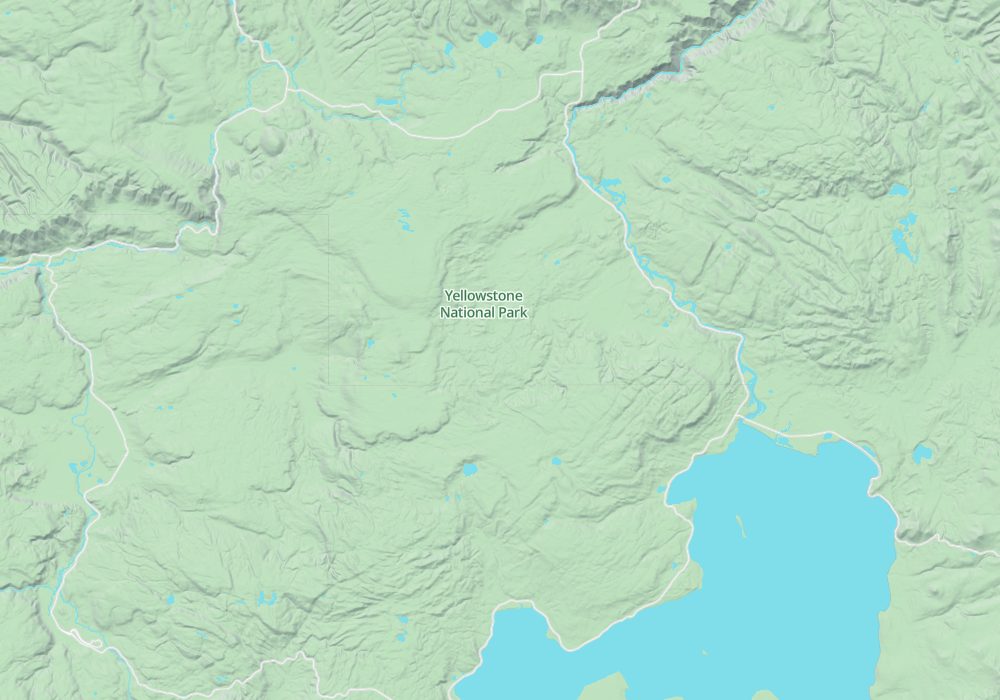
Photo credits: Old Faithful: Dietmar Rabich (CC BY-SA 4.0, Wikimedia Commons); West Thumb Geyser Basin on the shore of Yellowstone Lake: John Manard (CC BY-SA 2.0, Wikimedia Commons)